Premium grade anti-slip, medical-grade, and customized spa-ready solutions for global supply chains
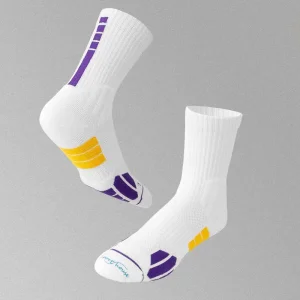
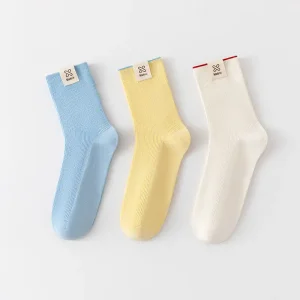


Strategic insights into the compliance, ergonomics, and material sciences of modern disposable footwear
In the global hospitality, wellness, and medical sectors, disposable footwear is no longer viewed as a simple utility. Search query intent data analyzed from high-volume procurement channels reveals that purchasers prioritize biomechanical slip resistance, skin-safe toxicology compliance (OEKO-TEX Standards), and degradability profiles over basic low-cost metrics. Premium establishments now demand custom-formulated grip compounds that survive friction across wet porcelain, polished stone, and synthetic turf.
The global disposable footwear market has undergone a significant transformation. Historically dominated by thin, non-woven paper slippers, the current industrial framework demands highly engineered textile solutions. Spa chains, hospitality giants, and clinical environments utilize disposable socks and slippers not only as hygienic barriers but as critical protective equipment (PPE) that minimizes liability risks associated with slips, trips, and falls.
Modern manufacturing requires deep vertical integration. Producing high-quality disposable footwear involves navigating complex chemical and mechanical pathways. Selecting structural fibers, such as spunbond polypropylene (PP) or advanced polyester blends, and optimizing grip textures using non-toxic silicone or plastisol compounds are vital steps. For high-volume institutional purchasers, maintaining consistent quality across multi-million pair runs is paramount. Our automated production pipelines are optimized to ensure each batch adheres to strict thickness, density, and slip-resistance metrics.
Seamless transition from design draft to container shipping backed by deep structural engineering
Precision CAD layout & digital mockups tailored to anatomical specifications.
Technical evaluation of tensile strength, weight (GSM), and eco-fiber blends.
Computerized knitting on multi-needle high-speed cylinders.
Ethical biodegradable films, compression bags, and barcoded cartons.
Multimodal global freight networks ensuring seamless custom clearance.
Operational principles that separate basic manufacturers from advanced contract factories
Full-spectrum OEM/ODM design engineering with integrated supply chains, certified support, and comprehensive design support across North America, Europe, and the APAC region.
Fully certified BSCI and Sedex SMETA facilities. We align directly with the environmental, social, and corporate governance (ESG) targets of multinational medical organizations and hotel chains.
Advanced R&D focuses on antimicrobial textiles, thermal barrier regulation, and specialized silicone dot configurations to create products that exceed safety expectations.
High-volume operations utilize computerized knitting machinery. This setup eliminates supply bottlenecks, stabilizing raw materials pricing and protecting your brand from stockouts.
Integrated QC pipelines test tensile load thresholds, wash durability, and slip ratings, significantly lowering return rates and total cost of ownership.
Automated manufacturing at scale yields highly competitive per-unit costs without compromising materials quality or production worker safety.
Analyzing compliance requirements and end-user safety demands across distinct industries
Slipper socks must balance softness with hydro-repellency. Footwear must survive damp treatment rooms and smooth marble paths, minimizing slip risks while offering the luxurious feel expected in premium resorts.
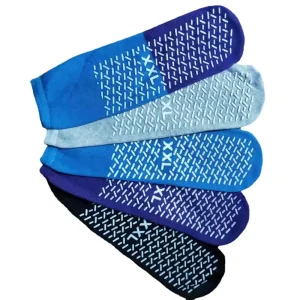
In clinical settings, fall prevention is a top priority. Disposable grip socks are color-coded to indicate patient fall risk. Fabric must be biocompatible, hypoallergenic, and capable of adapting to swollen feet without restricting circulation.
Indoor trampoline facilities and water parks need durable, slip-resistant footwear. Reusable-disposable socks must withstand dynamic lateral forces, protect against abrasion, and prevent the transmission of surface bacteria.
Industrial procurement cycles require recognizing that different markets face distinct regulatory environments. For example, EU operators must align with strict chemical restriction rules (such as REACH guidelines) regarding raw polymers. Meanwhile, North American commercial buyers focus heavily on ASTM slip-resistance ratings to limit liability risks. By matching specific localized compliance profiles to the appropriate manufacturing standards, our production lines ensure your shipments clear customs quickly and perform safely.
Established in 2013, Sichuan MiFo Technology Co., Ltd. is a modern, vertically integrated hosiery group specializing in research, development, custom manufacturing, and global trade. Operating from our 42,000-square-meter facility, we run computerized knitting systems and advanced quality control pipelines to deliver reliable hosiery solutions worldwide.
Our business model combines state-of-the-art manufacturing with a customer-focused approach. This allows us to serve diverse clients, including medical groups, international hospitality brands, and large retail chains. Through automated production and careful material selection, we support the scaling needs of our global distribution partners.
Over a decade of industry expertise
Modern automated manufacturing hub
High-volume manufacturing capacity
Global logistics and compliance coverage
A closer look at raw material stability and our manufacturing development goals
China's manufacturing ecosystem provides major advantages for industrial-scale hosiery. The proximity of upstream raw material producers allows Sichuan MiFo Technology to quickly secure high-grade fibers, such as organic cotton, post-consumer recycled polyester, and specialized elastic yarns. This integrated supply chain reduces shipping costs and helps protect against global commodity price swings. Additionally, our factories run automated energy-management and water-filtration systems to reduce environmental impact while maintaining stable, efficient production.
Traditional non-slip footwear applies a simple, uniform pattern of silicone dots across the sole. Our engineering team uses pressure-mapping sensors to analyze weight distribution during walking. By placing varying concentrations of traction material under the metatarsal head and heel, we improve slip resistance while reducing raw material consumption.
Looking ahead, our technology roadmap focuses on developing fully biodegradable, single-use products. In partnership with polymer researchers, we are testing plant-based PLA and PBAT fibers that decompose in industrial composting facilities within 180 days. This allows us to offer high-performing, slip-resistant footwear that helps global hospitality and healthcare brands meet their waste-reduction targets.
Technical answers to common procurement, material, and logistics queries
Provide your project specifications and volume requirements for a detailed quotation
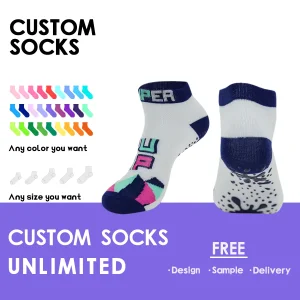
Specialized active, pediatric, and commercial-grade footwear manufactured at scale
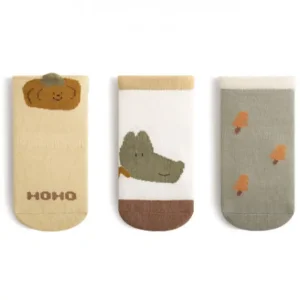
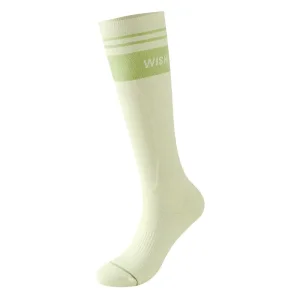
Insights into market development, material research, and commercial applications

 MIFO
MIFO