Engineered for high-intensity grip, traction stability, and targeted compression across indoor playground, medical, and athletic operations.
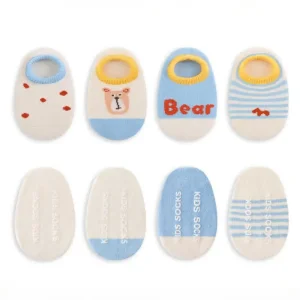
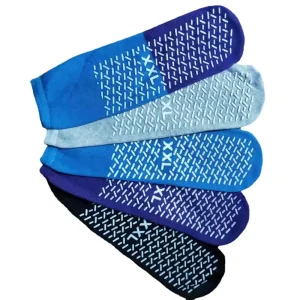
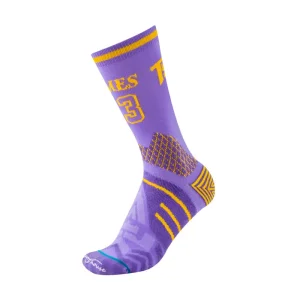
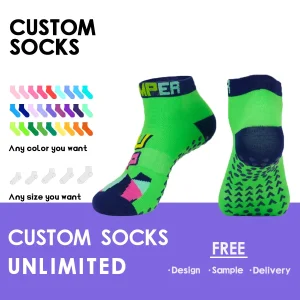
An Industry-wide Analysis of Materials Science, Coefficient of Friction, and Enterprise Sourcing Safety Standards
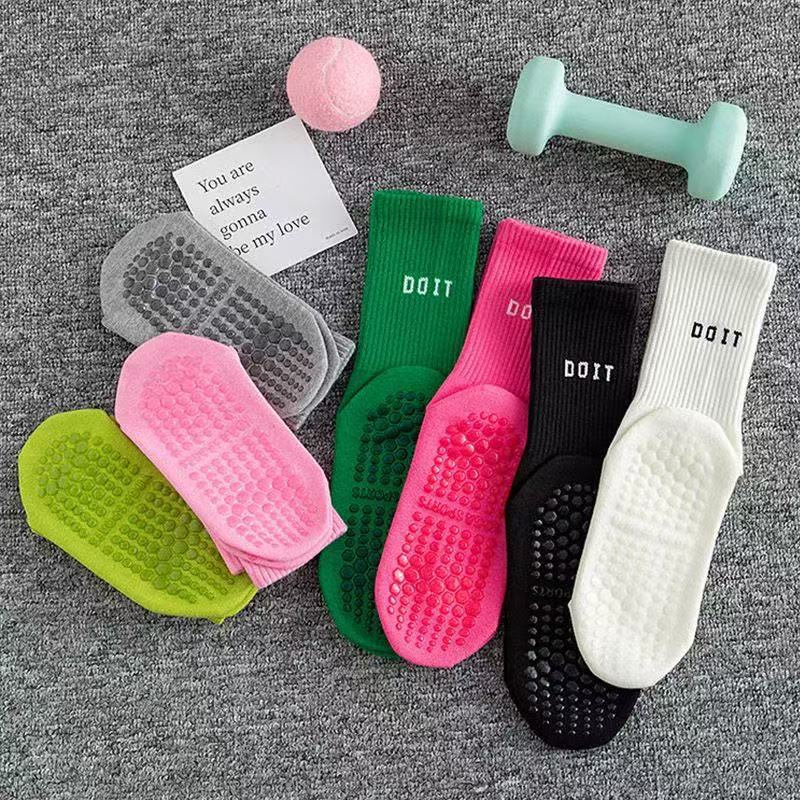
In modern family entertainment centers (FECs), indoor trampoline parks, and active recreation infrastructures, non-slip trampoline socks have transitioned from mere branded novelty apparel items to critical, regulation-mandated safety gear. The kinetic energy generated during trampoline jumps requires footwear capable of managing substantial shear forces while maintaining structural integrity. From a biomechanical perspective, when a jumper lands, the friction coefficient between the base of the sock and the trampoline mat must fall within precise values. Too low, and the foot slides, risking severe musculoskeletal injuries; too high, and the sudden cessation of movement places extreme torque on the knee and ankle joints.
Did you know? According to ASTM F2970 guidelines, playground operators must enforce the use of standardized safety grip footwear to establish a reliable baseline of friction across all active zones. A single deviation in grip density can alter safety calculations across a 40,000-square-foot park facility.
Historically, early generation anti-slip socks utilized simple Plastisol (PVC) dots applied randomly via standard flatbed screen printing machines. While cost-effective, these PVC dots offered poor longevity, cracking under heavy wash cycles and peeling off mid-jump. The resulting loose debris fouled trampoline mesh grids and clogged facility filtration systems.
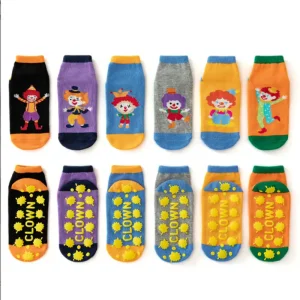
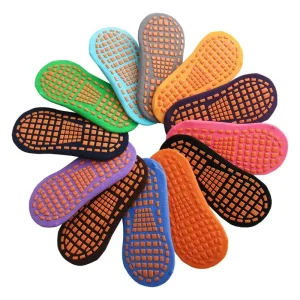
Today, leading manufacturers like Sichuan MiFo Technology Co., Ltd. leverage Liquid Silicone Rubber (LSR) and high-density polyurethane (PU) formulations. Through automated rotary silk-screen machines and advanced heat-tunnel vulcanization, the silicone is chemically bonded directly to the fibers. This creates a vulcanized grip layer with high elasticity and a dynamic Coefficient of Friction (COF). Current trends lean heavily toward custom-mapped tread designs, featuring anatomical support channels, reinforced heel locks, and breathable mesh zones on the dorsum of the foot to maximize heat dissipation.
Procurement departments managing international trampoline park chains (such as Sky Zone, Urban Air, or Gravity Active Entertainment) operate under stringent quality-assurance protocols. Buying bulk grip socks is not simply a matter of finding the lowest per-unit price; it involves evaluating complete manufacturing compliance. The core criteria include:
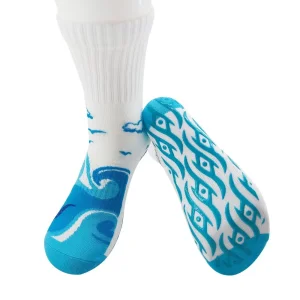
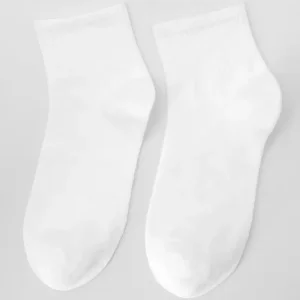
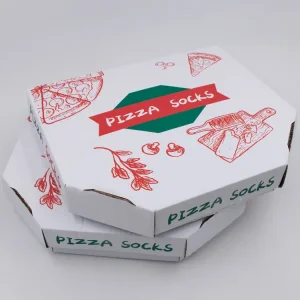
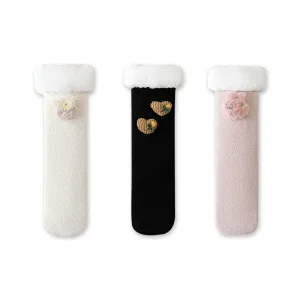
Explore our targeted product categories developed with specialized grip mapping, anatomical weave construction, and heavy-duty yarn configurations.
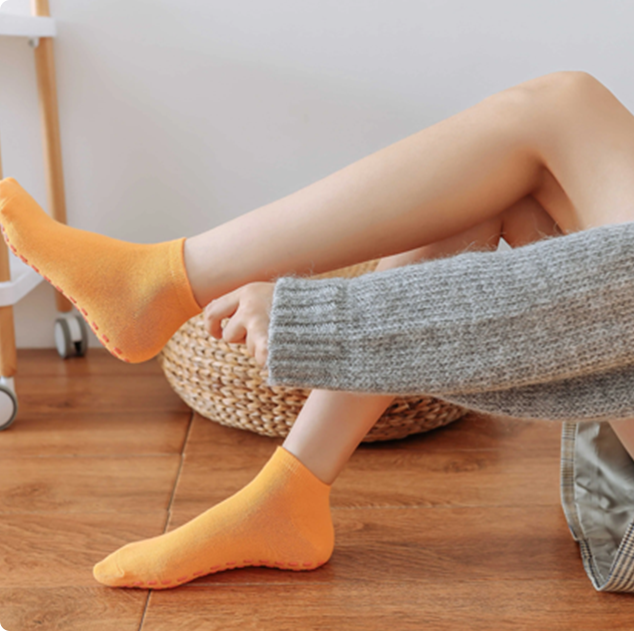


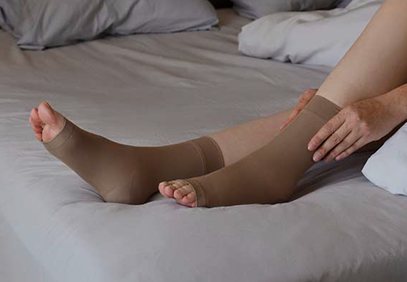
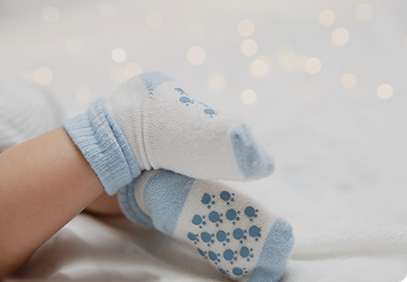
We translate your branding, color schemes, and performance parameters directly into knitted structures through our ISO-certified industrial workflow.
CAD-based prototyping mapping custom grip patterns, safety zones, and dimensional vector logos.
Rigorous sourcing of combed cotton, durable polyester, performance nylon, and elastic fibers.
Precision double-cylinder circular knitting utilizing 144N and 168N machine setups.
Sustainable cardboard headers, recycled retail bands, and customized barcode/SKU integration.
Optimized freight forwarding, multi-modal global shipping channels, and clear custom passage.
Pioneering Performance Hosiery Engineering since 2013
Established in 2013, Sichuan MiFo Technology Co., Ltd. is a modern hosiery group integrating R&D, production, and trade. Headquartered in Sichuan Province, China, the company occupies a 42,000-square-meter site featuring state-of-the-art factory facilities and an efficient logistics network. With over a decade of expertise in the hosiery industry, MiFo Technology has become an industry benchmark, driven by technological innovation and a global vision.
Our business model integrates two specialized operating subsidiaries: Chengdu MiFo Biological Technology Co., Ltd. and Sichuan MiFo Technology Co., Ltd. This operational synergy allows us to combine biological textile enhancements (such as advanced anti-microbial treatments) with high-capacity knitting workflows to manufacture high-durability products across five major lines.
Over a decade of manufacturing experience
State-of-the-art facility & automated plant
Scaling volume to secure enterprise supply chains
Global logistics support and localized customs clearance
"Unbroken Promises: 99.4% On-Time Delivery Since 2015" – Engineered to support rapid global expansions.


Full-range socks customization with streamlined global logistics, backed by multinational brand experience and multilingual support.


BSCI/Sedex certified production guarantees socially compliant exports and supply chain integrity for regulated markets.


Co-develop differentiated socks using R&D in antibacterial, thermoregulation, and compression tech for market leadership.
Mass-scale production ensures on-time delivery for bulk/urgent orders, eliminating stockouts and securing brand growth.
Rigorous quality systems ensure consistent reliability, reducing defects/returns and cutting clients' QC costs significantly.
Leverage scale-driven raw material pricing, automation, and lean management for best-in-class value without compromising quality.
How the Intersection of Material Science and Compliance Standards Shapes the Next Generation of Facility-Specific Footwear
In highly regulated markets like North America and the European Union, passive safety measures are closely audited. Under ASTM F2970 (Standard Practice for Design, Manufacture, Installation, Operation, and Maintenance of Trampoline Courts), insurers analyze even minor details of facility safety. The performance characteristics of grip socks directly affect public liability insurance premiums. If an operator allows low-grade or worn-out socks on the mats, they face significant legal liabilities in the event of an accident.
Consequently, large-scale distributors and sourcing agents must verify compliance through accredited testing laboratories (such as SGS, TÜV, or Intertek). Key testing criteria include:
To produce non-slip socks that combine functional safety with comfort, our engineering workflow follows a rigorous development process:
Looking ahead, the activewear industry is moving rapidly toward sustainable manufacturing. The next generation of grip socks features recycled polyester yarns sourced from post-consumer PET bottles (certified by the Global Recycled Standard - GRS). Biodegradable silicones that decompose naturally in municipal landfills without releasing microplastics are also under active development.
Additionally, modern sanitization requirements have accelerated the adoption of permanent antimicrobial finishes. By permanently bonding active silver ions to the cotton fiber structure, socks maintain their antimicrobial effectiveness through more than 50 wash cycles, preventing odor and bacterial buildup in high-traffic commercial playgrounds.
Explore technical analyses, industry developments, and manufacturing insights from our engineering teams.
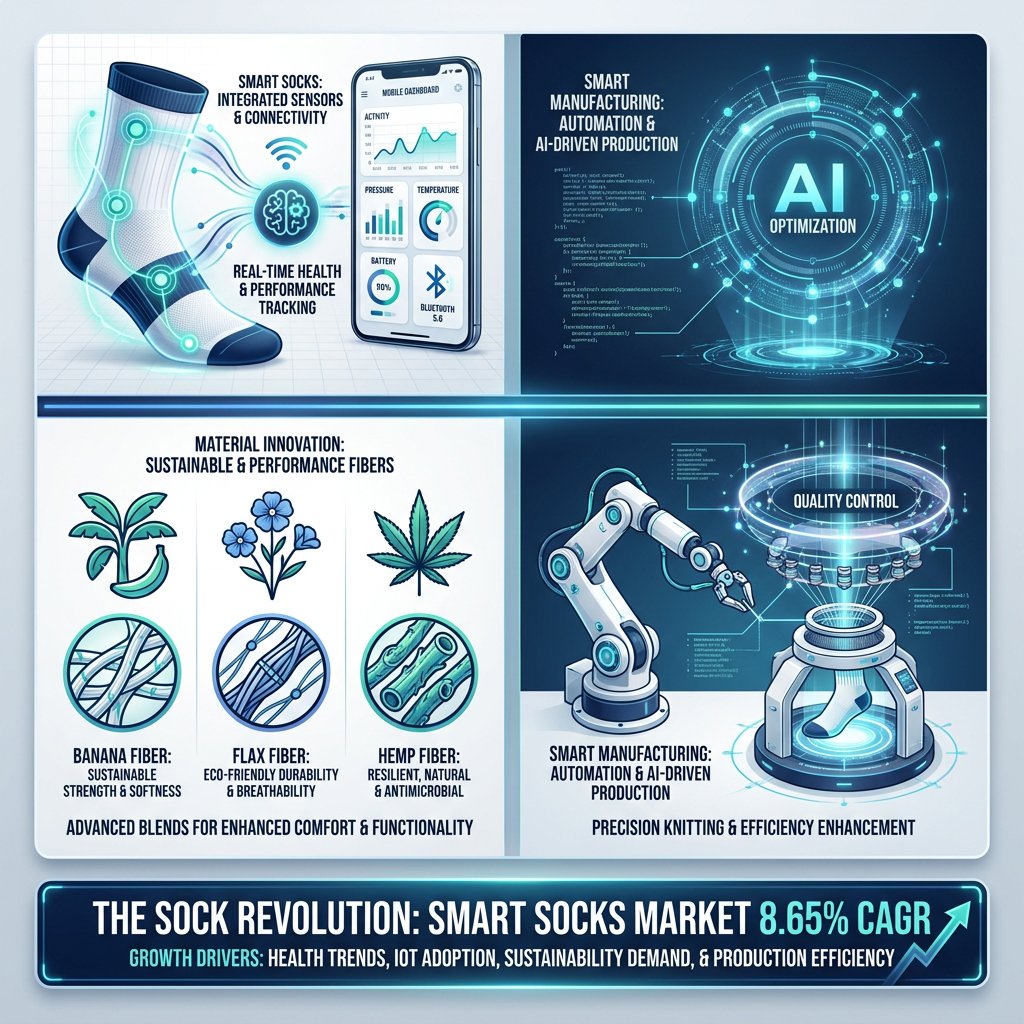

Technical answers to common procurement, compliance, and design questions from corporate buyers.
Targeted solutions for winter wear, aquatic operations, clinical safety, and active lifestyle branding.
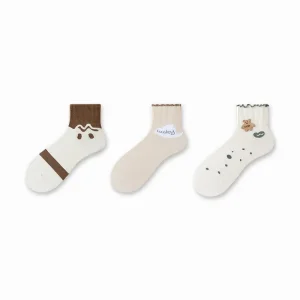
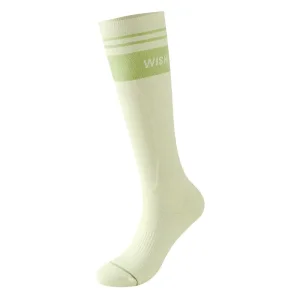
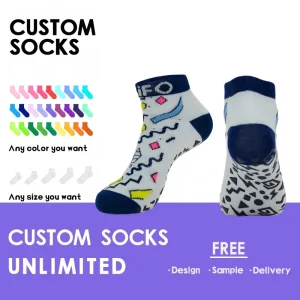
Submit your branding designs, compliance parameters, and quantity requirements to receive a detailed cost-of-delivery estimate within 24 business hours.
 MIFO
MIFO