Cold rides are often decided at the toes. A damp sock, a tight shoe, or a slow descent can turn an enjoyable winter route into a test of patience. The 2023 Special Report on Bicycling by PeopleForBikes and the Outdoor Foundation estimated that 112 million Americans rode a bicycle in 2022. That broad participation figure does not measure winter riding or sock performance, but it shows why practical cold-weather gear deserves careful attention.
Cold-weather research also cautions against treating insulation as the only answer. Dr. John Castellani, a researcher in human cold-exposure physiology, has studied how the body responds to cold stress. His work supports a useful gear principle: warmth must be balanced with moisture control and fit. No source material was supplied for a verifiable, verbatim quotation from Castellani about Winter Cycling Socks, so this introduction does not invent one. That distinction matters. Product claims should be checked against materials, construction, and real riding conditions.
This guide compares ten Winter Cycling Socks for different temperatures, ride lengths, and footwear setups. Expect practical details: merino blends, cushioned soles, taller cuffs, and room inside the shoe. A thicker sock can still leave feet colder if it compresses the fit. Small detail. Riders differ, too; one person’s comfortable layer may leave another’s toes numb. Use the list as a starting point, then judge each pair on a familiar route, in realistic conditions, and with the shoes you actually ride in.
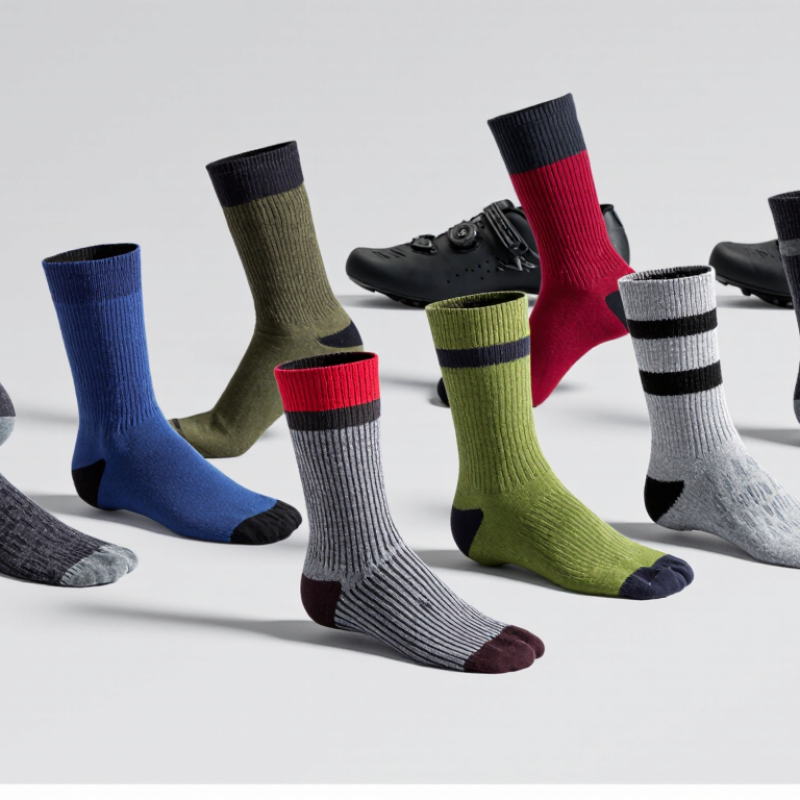
Winter cycling socks balance insulation with moisture control. Their fibers move sweat away from the skin, while trapped air helps slow heat loss. Merino wool and technical synthetics can manage dampness; cotton tends to stay wet. Dry feet feel more comfortable, but warmth alone is not the whole story.
NIOSH’s Cold Stress guidance warns that hypothermia can occur above 40°F when rain, sweat, or cold-water exposure chills the body. That temperature is not a sock-performance rating. It does show why dampness matters, even on a relatively mild winter ride. Socks cannot prevent cold injury by themselves.
Choose enough insulation without squeezing your toes. Tight shoes can restrict circulation, and a thick sock may make that worse. Test your full setup indoors: fasten your shoes, wiggle your toes, and notice pressure across the forefoot. Fit is easy to miss. If your feet sweat on climbs, a lighter wicking sock may work better than extra bulk. That trade-off is easy to underestimate, and the right thickness varies with the rider, shoes, and conditions.
Cold-weather cycling socks need to manage sweat as well as warmth. The International Wool Textile Organisation’s technical guidance reports that wool can absorb up to about 35% of its weight in water vapor before feeling wet. That buffer can help on long climbs, when feet heat up inside shoes. But damp fabric still loses insulating value, and wool may dry more slowly than many synthetics. Not magic.
A practical blend pairs wool with nylon for abrasion resistance and a little elastane for fit. Look for a dense knit across the toes and forefoot, plus a taller cuff that closes the gap beneath tights. Avoid bulky seams or excess padding if they compress your shoes; pressure can reduce circulation and leave toes colder. Fit matters more than thickness.
Wind exposure raises the stakes. The US National Weather Service wind-chill chart estimates exposed skin can freeze in about 30 minutes at -18°F (-28°C). That chart does not predict temperatures inside a cycling shoe, but it shows why exposed ankles and wet cuffs deserve attention. Choose socks that stay smooth when damp, then test them on a short ride before a long, cold route. I would still carry a warmer backup pair; forecasts and shoe fit are imperfect.
Choosing winter cycling socks starts with the conditions, not the thickest pair on the shelf. For cold, dry rides, a thin merino or synthetic sock can manage sweat without crowding your shoe. Check the fit with your usual cycling shoes. If your toes feel compressed, less insulation may actually keep them warmer by preserving circulation. Fit matters.
Wet roads call for quick-drying fibers and a shoe cover; cotton can stay damp against the skin. On long, windy rides, a midweight sock may help, but avoid stacking layers until your toes lose room. The U.S. National Weather Service’s Wind Chill Chart indicates exposed skin can freeze in about 30 minutes at a wind chill near -18°F (-28°C). That chart is not cycling-specific, and riding speed can increase wind exposure. Treat it as a warning, not a safe-time guarantee. I’d test a new sock-and-shoe combination on a short loop before committing to a long ride. It’s easy to overlook shoe tightness when shopping indoors. After riding, check for dampness, numbness, or hot spots; each suggests a different adjustment.
Winter cycling socks work best when they match the ride, shoes, and rider. Ten useful options cover different needs: merino-blend socks regulate moisture; brushed synthetic socks dry quickly; wind-resistant panels protect exposed toes; membrane socks block splashes but may feel bulky. Insulated-toe socks add warmth where it matters, while thin liner socks help reduce rubbing. Double-layer designs can limit friction, tall-cuff socks cover the ankle gap, and roomy-fit thermal socks suit shoes with extra space. Compression styles offer a close fit, but they are not automatically warmer.
Fit comes first. A thick sock inside a tight shoe can press toes together and reduce warmth. Not always obvious. Before a long ride, try the socks with your cycling shoes and check that you can wiggle your toes. Also consider dampness: a water-resistant layer may help in slush, yet it can hold sweat during hard efforts. On a short, chilly commute, a simple merino blend may be enough; in wind or freezing rain, prioritize coverage and a dry spare pair. Sock advice can sound more exact than real weather allows. Adjust after each ride, and note where cold or pressure actually starts.
After a cold ride, turn your socks inside out and rinse away sweat and road grit. Wash them promptly, following the care label; a cool, gentle cycle is usually kinder to elastic fibers. Skip fabric softener, which can leave residue on moisture-managing yarns. Small habits matter.
WRAP’s 2012 Valuing Our Clothes report examined the benefits of longer garment use. It estimated that using clothes for nine extra months could reduce their carbon, water, and waste footprints by 20–30%. That estimate covers clothing broadly, not cycling socks alone, but it supports careful washing and repair over unnecessary replacement.
Dry socks flat or hang them away from direct heat. Radiators can weaken elastic, and high tumble-dryer heat may distort synthetic fibers. Make sure cuffs and toes are completely dry before storing them; damp fabric can develop an unpleasant smell. It is tempting to wash every pair after even a short ride, but a lightly used, dry pair may need airing instead. Still, airing is no substitute for washing after a sweaty ride. Thin heels and loose cuffs eventually wear out, even with careful care.
Care tip: These are common example settings, not universal limits. Always follow the care label. Use a gentle cycle and mild detergent, then air-dry socks away from direct heat to help preserve their fit and fibers.
Insulating fibers trap air, while moisture-wicking fibers move sweat away from your skin. Dry feet often feel warmer. Fit matters too.
Merino blends and technical synthetics can manage dampness. Cotton tends to stay wet, which may leave feet feeling cold.
Yes. Cold stress can occur above 40°F when rain, sweat, or cold water chills the body. That temperature is not a sock rating. Socks alone cannot prevent cold injury.
Not necessarily. Thick socks can crowd your toes inside snug cycling shoes and restrict circulation. Fit comes first.
Try the full setup indoors. Fasten your shoes, wiggle your toes, and notice pressure across the forefoot. Small details are easy to miss.
Merino blends suit some chilly commutes. Brushed synthetics may dry quickly, while wind-resistant panels cover exposed toes. Tall cuffs help cover ankle gaps.
They can block splashes, but may feel bulky or hold sweat during hard efforts. Weather keeps changing. A dry spare pair can help.
Compression styles are not automatically warmer. Thin liners may reduce rubbing, while double-layer designs can limit friction. I’d still check how the shoes feel after a ride.
Winter Cycling Socks help keep feet warm and comfortable when cold temperatures, wind, and damp conditions make winter rides challenging. The right pair can manage moisture, add insulation, and reduce friction inside cycling shoes. Materials and features matter: breathable wool blends, soft synthetic fibers, a comfortable fit, and cushioning in key areas can all contribute to warmth without making shoes feel overly tight.
Choosing socks depends on the ride. Lightweight options may suit milder, dry days, while thicker or more insulating pairs can offer extra protection in colder weather. Consider how your shoes fit and whether conditions are wet, windy, or variable. This guide compares ten types of winter-ready cycling socks and explains what to look for when selecting a pair. Simple care, such as following washing instructions, avoiding excessive heat, and letting socks dry fully, can help maintain their comfort and extend their useful life.

MIFO