Why Are Sports Ankle Socks Essential for Athletes?

Time:2026-10-10 Author:Amelia
0%

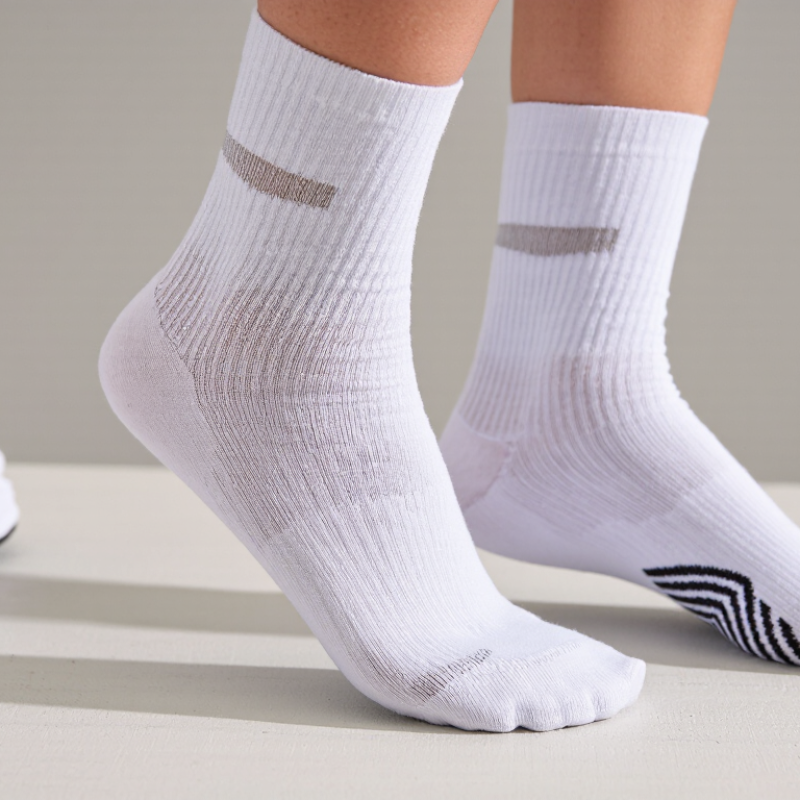
Athletes rarely notice their socks until discomfort changes the way they move. A damp heel, tight cuff, or loose fabric can distract during training. Sports Ankle Socks are designed to address these small problems with practical support around the foot and ankle. Their low profile suits running shoes, court footwear, and many gym trainers.

Good sports socks often combine breathable fibers, targeted cushioning, and secure construction. Mesh panels may help release heat during repeated movement. Cushioned zones can soften contact beneath the heel and forefoot. A snug arch band may reduce slipping, but it should never feel restrictive. These details matter during sprints, jumps, lateral cuts, and long practice sessions.

Small choices matter.

From practical experience, comfort depends on more than the sock itself. Shoe fit, foot shape, sweat levels, and training surfaces all influence performance. A sock that feels supportive during a ten-minute warm-up may feel too warm after an hour. That limitation deserves attention. No fabric can prevent every blister or replace proper footwear. However, well-fitted Sports Ankle Socks can reduce common irritations and help athletes maintain a more consistent feel inside their shoes. Checking seams, washing instructions, and fabric durability also supports informed purchasing. Expert recommendations should guide decisions, but personal testing remains valuable. The best option is not always the thickest or most expensive pair. It is the pair that stays comfortable, dry, and secure throughout realistic movement.
Why Are Sports Ankle Socks Essential for Athletes?

What Are Sports Ankle Socks?

Sports ankle socks are short athletic socks that sit above the heel and around the ankle. They are higher than no-show socks but lower than crew socks. Their shape helps cover areas that often rub inside training shoes.

Most sports ankle socks use breathable fibers, such as polyester, nylon, cotton, or a blended fabric. Many include a tighter arch band, a reinforced heel, and extra cushioning under the toes. Some designs have mesh panels across the top, allowing heat and sweat to escape during running or court sports. The ankle opening should feel secure without leaving deep marks on the skin.

From regular training experience, a good pair can reduce friction during repeated movement. A padded heel feels useful after several miles on pavement. However, socks cannot correct poor shoe fit or prevent every blister. I once chose a thick pair for a warm workout and noticed more moisture, not less. That small mistake changed how I judge comfort.

The best sports ankle socks match the activity, shoe, and weather. Thin, quick-drying fabric may suit indoor cycling, while light cushioning can help during court training. Check the size carefully, because loose fabric can bunch under the toes. Wash socks after each demanding session and inspect thinning areas near the heel. Small holes matter. They may signal that the material or fit needs reconsideration.

How Do Sports Ankle Socks Support Athletic Performance?

Why Are Sports Ankle Socks Essential for Athletes?

Sports ankle socks support athletic performance by controlling friction, moisture, and movement inside the shoe. A close, flexible fit helps reduce bunching during sprints, jumps, and sudden stops. This matters when a small fold presses against the heel for an entire training session.

Many performance socks use breathable fabric and targeted cushioning. Ventilated areas can help move sweat away from the skin, while padding under the heel and forefoot softens repeated impact. The ankle area may also feel more secure with light compression, although support varies by design. During practice, athletes should check for slipping, hot spots, or numb toes. These signs usually mean the size or shape is wrong.

Good socks cannot correct poor footwear or an untreated injury. They are not magic. A sports clinician or experienced coach can help athletes choose suitable thickness and support, especially after recurring blisters or ankle strain. In my view, comfort should be tested during real movement, not only while standing in a store. Run, cut, and land in them. Small details matter. Some athletes prefer thinner socks for speed, while others need cushioning for longer sessions. Personal testing remains important, because materials that feel dry for one athlete may feel restrictive for another.

Why Are Sports Ankle Socks Essential for Athletes?

Sports ankle socks support athletic performance by helping manage moisture around the foot. The chart compares typical moisture regain values at standard textile-testing conditions. Synthetic fibers such as polyester and polypropylene absorb less moisture than cotton, which can help reduce the heavy, damp feeling during training. Actual comfort also depends on sock construction, ventilation, cushioning, and fit.

Moisture regain values are typical reference figures for textile fibers at approximately 65% relative humidity and 20°C; results vary by fiber treatment and fabric construction.

What Features Make Sports Ankle Socks Effective?

Sports ankle socks are more than a small part of an athlete’s kit. Their effectiveness depends on fit, fabric, support, and durability. Moisture-wicking fibers help move sweat away from the skin during intense training. This can reduce dampness, friction, and the risk of blisters. Breathable mesh panels also improve airflow around the top of the foot.

A secure ankle cuff keeps the sock from sliding inside running shoes or court footwear. It should feel firm, not restrictive. Light compression around the arch may provide a more stable feeling during quick movements, although it cannot replace proper medical support. Cushioned heels and toes absorb repeated impact on hard surfaces. A smooth toe seam matters too, especially during long sessions. I have found that even a well-designed sock can fail when the size is slightly wrong.

Fit changes everything.

Tips: Check the sock after washing it several times. A reliable pair should keep its shape, cushioning, and stretch. Choose thinner materials for hot outdoor training and slightly thicker cushioning for impact-heavy activities. Replace socks when the fabric becomes rough or loose. Small changes in comfort can affect how confidently an athlete moves.

How Should Athletes Choose the Right Ankle Socks?

Sports ankle socks are essential for athletes because they reduce friction, manage sweat, and support comfortable movement. However, the right pair depends on the sport, shoe shape, and training intensity. A runner may need lightweight, breathable fabric, while a basketball player may prefer extra cushioning around the heel and ball of the foot.

Choose socks that fit closely without squeezing your toes or leaving deep marks around your ankle. A secure heel pocket can prevent slipping during quick direction changes. Look for moisture-wicking fibers and a smooth toe seam, especially if blisters appear after long sessions. Padding should match your shoes. Thick socks inside tight shoes may create pressure instead of protection. Thin socks can feel better, but they may provide less impact absorption. It is easy to focus on cushioning and forget ventilation.

Tips: Try socks with your actual sports shoes. Walk, jump, and change direction before buying. Check whether the heel stays in place. Avoid loose fabric around the arch. Wash socks after heavy workouts, and replace pairs when elasticity or cushioning feels worn. Compression can help some athletes, but excessive tightness may cause discomfort. A sock that feels supportive at first may still become irritating after an hour. That longer test matters.

How Can Sports Ankle Socks Be Maintained and Used Properly?

Sports ankle socks work best when treated as performance gear, not disposable clothing. Before training, check the heel, toe, and elastic for thinning or loose threads. Choose a snug fit without tight bands around your ankle. A loose heel can create friction during sprints, jumps, or sudden changes of direction. Keep toenails trimmed and smooth to reduce fabric damage. Small habits matter.

After practice, rinse sweaty socks promptly instead of leaving them inside a closed gym bag. Wash them with mild detergent in cool or warm water. Turn them inside out to remove sweat from the inner fibers. Avoid bleach and fabric softener, which may weaken elasticity and reduce moisture control. Air-dry them on a clean rack, away from strong sunlight. High heat from a dryer can shrink the fabric and distort the heel.

I once reused damp socks for an evening workout, assuming a short session would cause no problem. My feet felt warmer, and a small blister appeared near my heel. That shortcut was not worth it. Let socks dry completely before wearing them again, and rotate several pairs during busy training weeks. Inspect them regularly. Replace pairs with holes, hardened fabric, or stretched cuffs. If persistent rubbing or skin irritation continues, adjust the size and seek advice from a qualified healthcare professional.

Why Are Sports Ankle Socks Essential for Athletes? - How Can Sports Ankle Socks Be Maintained and Used Properly?

Data Dimension Practical Guidance Recommended Standard or Frequency Athletic Benefit
Ankle coverage Choose a cuff that sits securely above the shoe collar without restricting ankle movement. Check the fit before every training session or competition. Helps reduce rubbing from shoe edges while preserving a lightweight feel.
Size and fit Select the size that keeps the heel pocket aligned and prevents excess fabric around the toes. Replace or resize if the sock slips, bunches, or leaves deep pressure marks. Reduces friction, bunching, and movement inside the shoe.
Moisture management Prefer breathable synthetic or blended fibers for activities involving prolonged sweating; cotton can retain moisture. Change into a dry pair after heavy sweating or water exposure. Helps keep the skin drier and may lower friction-related blister risk.
Cushioning zones Use targeted cushioning under the heel and forefoot when the sport or footwear creates repeated impact. Match cushioning thickness with the available space inside the shoe. Improves comfort without making the shoe excessively tight.
Arch support A supportive band can help the sock stay in place, but it should not cause numbness or tingling. Remove and reassess the fit if discomfort continues during activity. Limits fabric movement and can improve wearing comfort.
Seam construction Choose smooth or low-profile toe seams, especially for long-distance running and court sports. Inspect the toe area for twisted seams before putting on footwear. Minimizes pressure points and irritation between the toes and shoe.
Pre-use inspection Check for holes, thinning fabric, stretched cuffs, and rough internal areas. Inspect before each demanding session or whenever discomfort appears. Prevents worn areas from creating avoidable rubbing and pressure.
Washing temperature Follow the care label; when no instructions are available, use a gentle wash with cool or warm water rather than very hot water. Wash after each use, particularly after sweaty training. Removes sweat, salts, and skin oils while helping preserve fibers.
Detergent use Use a mild detergent and avoid excessive fabric softener, which may reduce moisture-management performance in some technical fabrics. Use the detergent quantity stated on the product instructions. Helps maintain fabric texture, breathability, and elasticity.
Drying method Air-dry fully in a ventilated area; avoid high heat unless the care label specifically permits it. Do not store socks while damp or leave them compressed in a closed sports bag. Reduces lingering odor and helps protect elastic fibers from heat damage.
Storage Store clean, dry pairs in a cool, dry place and avoid stretching the cuff around a tight bundle. Separate damp sports clothing from clean socks after training. Maintains shape and limits odor buildup.
Replacement indicators Replace socks when holes, permanent thinning, stretched cuffs, persistent odor, or repeated slipping cannot be corrected by washing. Use condition rather than a fixed calendar date as the primary replacement rule. Maintains reliable fit, comfort, and protection during sport.

FAQS

What makes sports ankle socks effective?

Effective socks combine a close fit, moisture control, airflow, support, and durability. They should reduce dampness and friction during training. Small details matter.

How do moisture-wicking fibers help athletes?

Moisture-wicking fibers move sweat away from the skin. This can reduce wet fabric, rubbing, and blister risk. They work best with breathable shoes.

Why are breathable mesh panels useful?

Mesh panels improve airflow across the top of the foot. This helps hot feet feel less trapped during outdoor training. Ventilation is easy to overlook.

How should an ankle cuff fit?

The cuff should stay secure inside the shoe. It must feel firm without leaving deep marks. Too loose, and the sock slides. Too tight, and irritation may follow.

Can arch compression improve movement?

Light arch compression may create a steadier feeling during quick movements. It cannot replace medical support when an injury exists. Comfort varies between athletes.

What cushioning should athletes choose?

Cushioned heels and toes absorb repeated impact on hard surfaces. Runners may prefer lighter padding. Impact-heavy activities may need thicker cushioning. Thick socks can create pressure in tight shoes.

Why does the toe seam matter?

A smooth toe seam reduces rubbing during long sessions. Rough stitching can irritate sensitive skin. This small feature matters after many miles.

How can athletes test the right fit?

Wear the socks with the actual sports shoes. Walk, jump, and change direction before buying. Check the heel and arch. The sock should not squeeze the toes.

When should sports ankle socks be replaced?

Replace them when the fabric feels rough, loose, or stretched. Check them after several washes. Good socks should keep their shape and cushioning. My judgment can be imperfect, so the longer test matters.

Conclusion

Sports Ankle Socks are specially designed for athletic activities, offering a balance of comfort, stability, and protection without covering the lower leg. Their supportive fit helps reduce slipping, while breathable fabrics manage moisture and keep feet cooler during training or competition. Features such as cushioned soles, reinforced heels and toes, arch support, seamless construction, and elastic cuffs can improve comfort and help limit irritation caused by repeated movement.

Athletes should choose Sports Ankle Socks according to their sport, training intensity, foot shape, and preferred level of cushioning. The socks should fit securely without feeling tight, bunching, or restricting circulation. Proper care is also important: wash them according to their fabric requirements, allow them to dry completely, and replace pairs when they lose elasticity, develop thin areas, or no longer provide adequate support. With the right selection and maintenance, these socks can contribute to a more comfortable and consistent athletic experience.


Amelia

Amelia

Amelia is a seasoned marketing professional with a wealth of expertise in our company’s core offerings. With an unwavering passion for driving growth and innovation, she plays a pivotal role in shaping our marketing strategies and enhancing brand visibility. A key aspect of her responsibilities......