In the world of apparel, the demand for comfortable and durable products continues to rise. Soft Cotton Socks have become essential for many consumers. They offer a blend of comfort and style that appeals to global buyers.
These socks are not just about softness; they also provide various benefits. The breathable nature of cotton ensures that feet remain fresh throughout the day. Additionally, their moisture-wicking properties help prevent unpleasant odors and discomfort. However, the quality can vary significantly between brands, making it crucial for buyers to choose wisely.
For those seeking the best, understanding the fabric's origin and production can greatly influence choices. Not all cotton is created equal, and some manufacturers prioritize quality over quantity. However, buyers need to reflect on their individual needs. What works for one person may not suit another. Soft Cotton Socks should be viewed as an investment in daily comfort, and every buyer deserves to find the perfect pair.
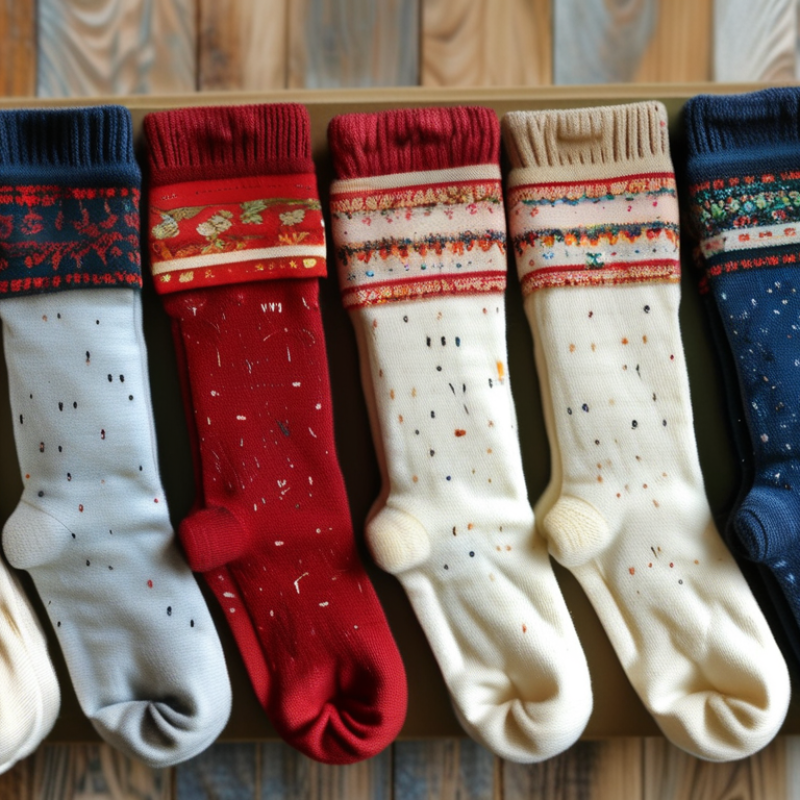
Soft cotton socks have gained popularity among global buyers due to their comfort and versatility. The soft fibers provide a gentle touch against the skin, making them ideal for daily wear. A recent report by the Textile Industry Association indicates that cotton socks dominate more than 40% of the global hosiery market. The breathability of cotton helps regulate temperature, reducing moisture buildup and odor.
Choosing the right socks can enhance your overall comfort. Here are some tips: opt for socks with reinforced heels and toes for durability. Look for seamless designs to avoid irritation, especially for those with sensitive skin. Pay attention to the sock length; ankle and crew styles serve different purposes.
While cotton offers numerous benefits, not all soft cotton socks meet quality standards. Some mass-produced options may lose shape quickly. It’s essential to consider factors like thread count and weaving technique. A well-constructed sock can last longer, providing consistent comfort. Always check for certifications that ensure ethical sourcing and production practices.
When selecting quality cotton socks, several factors play a crucial role. The type of cotton used is essential. Not all cotton is created equal. Look for ringspun cotton, which is softer and more durable. Its fine fibers create a smooth texture, enhancing comfort.
Fit matters immensely. Socks should hug your feet without causing pressure. Poorly fitting socks can lead to blisters and discomfort. Measure your foot size carefully. Consider compression styles for added support, especially during physical activities.
**Tip:** Always check the sock seams. Flat seams reduce irritation and enhance comfort. Choose seamless options if you have sensitive skin.
Breathability is another key component. Cotton is naturally breathable, but the sock's weave style can affect this. Looser weaves allow better air circulation. Ensure the socks can wick moisture to prevent odor and discomfort.
**Tip:** Test the socks by wearing them for a short period. This will help identify areas that may chafe or restrict movement. Don't forget to reflect on your needs. What activities will you use these socks for? Your answer guides your choice.
| Factor | Description | Importance Rating (1-5) | Notes |
|---|---|---|---|
| Material Composition | High-quality cotton provides softness and breathability. | 5 | Look for 80% cotton or more. |
| Comfort | Socks should fit well without slipping or bunching. | 4 | Consider sock length and thickness. |
| Durability | Quality socks maintain shape and resist wear. | 5 | Verify washing instructions for longevity. |
| Moisture Control | Socks should wick moisture away from the feet to prevent odor. | 4 | Look for blends with synthetic fibers. |
| Design and Style | Variety in color and design to match personal style. | 3 | Choose patterns that fit your wardrobe. |
When it comes to soft cotton socks, the global marketplace offers various choices. Many manufacturers focus on comfort and quality. Soft cotton socks are essential for everyday wear, providing breathability and softness against the skin. Buyers often seek socks that cater to both style and comfort. Popular brands prioritize these features, but it's crucial to evaluate the specifics of each product.
Each manufacturer has unique strengths. Some focus on sustainable production, while others emphasize innovative designs. A few brands have earned a reputation for durability. These elements can greatly influence a buyer's decision. However, not all options are created equal. There may be occasional inconsistencies in quality or fit.
Researching customer reviews can provide valuable insights. Understanding what real users say can help identify trusted options. Always check the material composition. A high cotton percentage usually indicates better softness and comfort. Overall, while many brands offer quality products, awareness of individual preferences can lead to a better shopping experience.
Sustainability and ethical sourcing are critical in the production of cotton socks. Many consumers are now more conscious of their choices. They want to know where their products come from. Cotton farming can strain the environment if not done responsibly. It requires significant water and pesticides, which can harm ecosystems.
Ethical sourcing involves treating workers fairly. This is often a challenge in many cotton-producing countries. Workers may face poor wages and unsafe conditions. Ensuring that cotton is sourced from places that prioritize fair labor practices is essential. Certifications can help verify these standards, but they are not always enough.
As buyers, we must question our purchases. Are we supporting sustainable practices? Do we know the journey our socks took before reaching us? Understanding these aspects can lead to a more conscious lifestyle. It's a work in progress, but small steps can lead to meaningful change.
The demand for cotton socks among global buyers has seen a notable rise in recent years. With a growing focus on sustainability and comfort, soft cotton socks have become a staple in many wardrobes. Buyers are now looking for products that not only serve their practical needs but also align with their values. The increasing awareness of the environmental impact of synthetic materials has led many to prefer natural fibers like cotton.
Tips: When sourcing cotton socks, consider the quality of the cotton used. Look for socks made from organic cotton to enhance sustainability. Pay attention to the construction, as seamless designs often provide better comfort.
You might also notice that trends shift with seasons. For instance, thicker cotton socks are sought after in colder months, while lighter options are preferred in warmer weather. Always stay updated on market preferences. Sourcing from ethical manufacturers can also enhance product appeal among conscious consumers. It's important to reflect on how your choices impact both the market and the environment.
: Soft cotton socks provide comfort, breathability, and versatility for daily wear. They help regulate temperature and reduce moisture buildup.
Look for reinforced heels and toes for durability. Seamless designs prevent irritation, especially for sensitive skin.
No, some mass-produced options can lose shape quickly. Consider the thread count and weaving technique for better quality.
Cotton farming can harm the environment. Responsible practices are essential to minimize water usage and pesticide impact.
Check for certifications that verify fair labor practices. Awareness of sourcing can lead to more conscious consumer choices.
Yes, not all brands provide the same quality. Some may have inconsistent fit or durability. Research customer reviews for insights.
Evaluate material composition and look for high cotton percentages. This usually indicates better softness and overall comfort.
Yes, understanding product specifics saves time and helps you avoid poorly made options. Quality can greatly affect your comfort.
Definitely. The right length and fit can enhance your comfort. Don’t overlook these details when shopping for socks.
Question your purchases and seek out sustainable options. Small changes can lead to a larger impact over time.
Soft Cotton Socks have gained popularity among global buyers due to their comfort, breathability, and moisture-wicking properties. These socks provide numerous benefits, including softness against the skin, durability, and ease of care. When selecting quality cotton socks, it is essential to consider factors such as thickness, elasticity, and the sourcing of materials to ensure optimum comfort and longevity.
In addition to personal preferences, sustainability and ethical sourcing have become crucial in the production of Soft Cotton Socks. Consumers are increasingly interested in brands that prioritize environmentally friendly practices and fair labor conditions. Current market trends indicate a growing demand for high-quality cotton socks, driven by a shift toward sustainable fashion choices among consumers worldwide. This increasing awareness is reshaping the landscape of cotton sock production and sales, making it a significant consideration for retailers and buyers alike.

MIFO