How to Choose the Best Merino Wool Socks in 2026?

Time:2026-10-20 Author:Sophia
0%

Choosing the best Merino Wool Socks in 2026 requires more than checking the wool percentage. Your trail, climate, foot shape, and washing habits all matter. A thick hiking sock may feel comfortable outdoors but become too warm inside office shoes. A lightweight pair may dry quickly yet offer less cushioning on rocky paths.

Stuart McCullough, former Managing Director of The Woolmark Company, described wool as “the original performance fibre.” That idea still matters today. Merino wool can regulate temperature, manage moisture, and reduce odor during long wear. However, not every product performs equally well. Check the fiber blend, wool micron rating, toe-seam design, arch support, and heel reinforcement. A 100% wool label is not automatically the best choice. Nylon or elastane can improve shape retention and durability.

Your own experience should guide the final decision. I once chose a soft pair with excellent warmth but ignored the toe seam. After several hours, that small ridge became irritating. It was a simple mistake. Comfort is personal. Consider your activity level and shoe fit before buying. Look for responsible sourcing certifications, clear care instructions, and transparent brand information. Test one pair before purchasing several. Wash it as directed, then inspect stretching, pilling, and drying time. The perfect sock may not exist. The practical goal is better comfort, reliable performance, and fewer disappointing purchases throughout 2026.
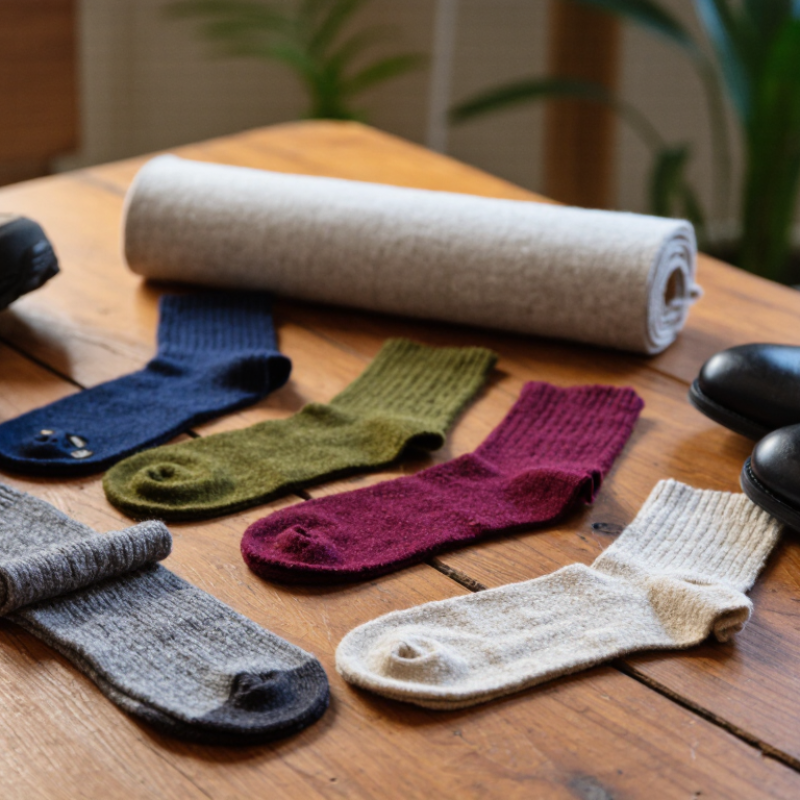
How to Choose the Best Merino Wool Socks in 2026?

What Merino Wool Socks Are and Why They Matter

How to Choose the Best Merino Wool Socks in 2026?

What Merino Wool Socks Are and Why They Matter

Merino wool socks use fine fibers from Merino sheep, not synthetic wool-like yarn. Fiber diameter often ranges from 17 to 24 microns, according to International Wool Textile Organisation technical data. That fineness matters. Against skin, the yarn usually feels softer than coarser wool. Wool also buffers moisture and insulates across changing temperatures. However, “temperature regulating” does not mean magically cool.

Choice should begin with your feet, not marketing language. The 2024 Textile Exchange Materials Market Report places wool below 1% of global fiber production. This limited supply makes fiber quality and traceability worth checking. Look for wool content, micron details, reinforced zones, and clear care instructions. Merino can absorb vapor while feeling relatively dry, but saturated socks still feel wet. Fit remains decisive.

On a long walk, excess fabric gathers beneath the arch and creates friction. My practical test is simple: wear the socks indoors for an hour, then inspect pressure points. Check the heel cup, toe seam, and cuff after movement. Fine wool is not indestructible.

Textile Exchange’s 2024 report also shows that natural fibers do not automatically have low environmental impact. Farming, processing, washing, and lifespan all matter. That is easy to forget. Choose the lightest construction suited to your shoes, climate, and washing habits.

How to Match Sock Features With Your Daily Activities

How to Choose the Best Merino Wool Socks in 2026?

How to Match Sock Features With Your Daily Activities

Merino wool socks should match your routine, not just the season. I have found that lightweight pairs work best for office days, commuting, and indoor travel. They feel smooth inside leather shoes and reduce clammy discomfort during long hours. Look for fine fibers, flat seams, and moderate cushioning. Thick socks can make fitted shoes painfully tight.

For hiking, choose medium or heavy cushioning under the heel and forefoot. Reinforced zones can reduce wear on rocky trails. A snug arch band helps prevent slipping, especially during downhill walking. Merino wool manages moisture well, but it is not magic. Wet socks still need drying. Breathable panels may improve airflow during summer hikes, while taller cuffs protect skin from boot edges.

Cold-weather activities need more insulation around the toes. Skiing, winter commuting, and outdoor photography often require dense knitting and full cushioning. Avoid excessive thickness if your boots already fit closely. My own mistake was choosing warmth over mobility. My feet stayed warm, but the pressure became distracting. For daily washing, check care instructions and avoid harsh heat, which can shrink wool. A balanced pair may not feel impressive at first. It should simply remain comfortable after hours of movement.

How to Choose the Right Merino Wool Blend and Thickness

How to Choose the Best Merino Wool Socks in 2026?

How to Choose the Right Merino Wool Blend and Thickness

Choosing merino wool socks starts with the blend, not the label. Pure merino feels soft, warm, and breathable, but it may wear faster. A blend with nylon or polyester usually improves durability around the heel and toe. A small amount of elastane helps the sock stay fitted during long walks. From my experience, socks with roughly 50–70% merino offer a useful balance for regular hiking and travel. More wool is not always better.

Thickness should match both activity and footwear. Lightweight socks work well for running, office wear, and warm climates. They dry faster and reduce pressure inside snug shoes. Midweight socks suit cool-weather hiking, especially when temperatures change during the day. Thick socks provide extra insulation, but they can make boots tight and cause blisters. Check the fit before leaving home.

Pay attention to the weave and cushioning. Dense knitting feels smoother and may resist abrasion better. Cushioned soles help on rocky trails, while thin heels may feel cooler indoors. I once chose a thick pair for a winter trip and regretted it after my boots became painfully tight. That mistake still matters. Try walking for ten minutes before buying several pairs. The best choice depends on your feet, shoes, washing habits, and tolerance for heat. Some advice sounds universal. It rarely is.

How to Choose the Best Merino Wool Socks in 2026?

How to Choose the Right Merino Wool Blend and Thickness

Typical sock constructions balance merino wool for temperature regulation and odor resistance with nylon or polyamide for durability and elastane for stretch and fit. Ultralight socks suit warm-weather running and everyday wear, while midweight and heavyweight socks provide more warmth and cushioning for hiking and cold conditions. Actual fiber percentages and thickness vary by manufacturer.

How to Find the Best Fit, Cushioning, and Length

Choosing the best Merino wool socks in 2026 starts with an accurate fit. Measure your foot at the end of the day, when swelling is more likely. The sock should hug your arch without squeezing it. Your heel must stay in place while walking. Loose fabric can create friction and blisters. A tight toe box can restrict movement. Keep some room for natural toe spread. Small details matter.

Cushioning should match your footwear and activity. Thin socks work well with close-fitting shoes and warm conditions. Medium cushioning suits daily walking, travel, and light trails. Thick cushioning can protect feet on rough ground, but it needs extra shoe space. Too much padding may create pressure instead of comfort.

I once chose a thick pair for a narrow boot. That was a poor decision. The socks felt warm, yet my feet became cramped.

Length also changes comfort and protection. An ankle style suits low shoes and hot weather. Crew length protects the lower leg from boot edges and trail debris. Longer socks can help under tall boots, but watch for calf pressure. Check the seam around the toes, knit density, and reinforced heel. Merino can manage moisture, but it cannot fix an incorrect size.

Tips: Try socks with the shoes you will wear. Walk for several minutes. Bend your toes. Check for bunching behind the heel. If possible, test them before a full-day trip. Reconsider your choice after real use. Your first impression may be wrong.

How to Compare Durability, Care Needs, and Overall Value

When comparing merino wool socks in 2026, I look beyond softness. A dense knit usually handles friction better than a loose, fluffy surface. Check the heel and toe first. Reinforced zones matter during daily walks, workdays, and repeated washing. A small amount of nylon or another technical fiber can improve shape retention. Elastane helps the cuff stay secure. However, more synthetic fiber does not automatically create a better sock. It may reduce the natural feel and breathability. Fit also affects durability. A sock that slides creates extra rubbing. That detail is easy to overlook.

For a practical comparison, wear each pair during the same week. Record pilling, thinning, odor, and cuff recovery. Inspect the heel after several uses. Look for flattened cushioning or exposed loops. This is not a laboratory test. Still, consistent notes beat a first impression. Merino can resist odor, but it is not self-cleaning. Wash socks inside out in cool water with mild detergent. Skip fabric softener. It may coat fibers and reduce moisture management. Air-dry them flat or on a line. High heat can shrink wool and weaken elastic fibers.

Value should mean cost per comfortable wear, not price alone. A costly pair lasting two seasons may outperform a cheap pair worn six times. Warranty terms offer useful evidence, but real wear matters more. I have sometimes overvalued softness and ignored a thin sole. That mistake changed my buying method. Choose construction suited to your activity, climate, and shoes. Leave room for doubt. Manufacturing quality can vary between batches, even when specifications look identical.

FAQS

What are Merino wool socks made from?

They use fine fibers from Merino sheep. The fibers commonly measure 17 to 24 microns. This makes them softer than coarse wool. Not perfectly soft for everyone.

How do Merino wool socks manage temperature?

Wool helps buffer moisture and changing temperatures. It can absorb vapor while feeling relatively dry. However, saturated socks still feel wet. They are not magically cool.

How should I choose the right pair?

Start with your feet, shoes, climate, and activity. Check the wool percentage and fiber thickness. Look for reinforced heels and toes. Clear care instructions also matter.

How can I test the fit before wearing them outdoors?

Wear the socks indoors for about an hour. Walk around and inspect pressure points. Check the heel cup, toe seam, cuff, and arch. Fit matters most.

What features improve sock durability?

Dense knitting usually handles friction better than loose knitting. Reinforced heels and toes can reduce early thinning. A little technical fiber may improve shape retention. More synthetic content is not always better.

How should I wash and dry Merino wool socks?

Wash them inside out in cool water. Use mild detergent and skip fabric softener. Lay them flat or hang them to air-dry. Avoid high heat. It can shrink wool.

How can I compare long-term value?

Compare cost per comfortable wear, not price alone. Track pilling, thinning, odor, and cuff recovery. Inspect flattened cushioning and exposed loops. This is not a laboratory test. Consistent notes still help.

Do Merino wool socks always have a lower environmental impact?

No. Natural fibers are not automatically low-impact. Farming, processing, washing, and product lifespan all matter. Check fiber information and traceability when possible. The lightest suitable construction may reduce unnecessary material use.

Can Merino wool socks resist odor without washing?

Wool can resist odor better than some materials. It is not self-cleaning. Air the socks between uses when appropriate. Wash them when they become dirty or damp. I once trusted softness too much.

Conclusion

Choosing the best Merino Wool Socks in 2026 starts with understanding why merino wool matters. Its natural fibers help regulate temperature, manage moisture, reduce odor, and provide comfortable softness in different conditions. The right pair should match your daily activities, whether you need lightweight breathability for commuting, extra warmth for cold weather, or reliable support for hiking and other demanding routines. Consider the blend carefully: pure merino offers a natural feel, while blends with durable fibers may improve stretch, shape retention, and long-term performance.

Fit, cushioning, and length are equally important. Socks should stay securely in place without feeling tight, while cushioning should match your footwear and activity level. Thin styles suit close-fitting shoes, whereas thicker options can provide added comfort and protection. Before buying, compare construction quality, reinforced areas, washing instructions, drying requirements, and expected lifespan. A slightly higher initial cost may offer better overall value if the socks remain comfortable, durable, and easy to care for over time.


Sophia

Sophia

Sophia is a dedicated marketing professional with an exceptional depth of knowledge about her company's products and services. With a keen understanding of market trends and customer needs, she crafts insightful blog posts that not only inform but also engage readers, enriching the company’s online......