10 Best Wool Cycling Socks for All Season Riding?

Time:2026-11-07 Author:Madeline
0%

Wool Cycling Socks can make a noticeable difference on a long ride, but warmth is only part of the story. A good pair should manage moisture, sit smoothly inside cycling shoes, and stay comfortable when the weather shifts. On a cold morning, the right sock can keep toes from going numb; on a mild climb, an overly thick pair may leave feet cramped and sweaty. Small details matter.

For transparency, Mara Ellison is a fictional composite wool-sock specialist, not a real expert or source. Her practical reminder for this guide is: “Choose the sock for your shoe fit and ride conditions, not the thickest fabric on the rack.” That advice points to the trade-offs riders often miss. Merino blends can feel soft and regulate temperature, while nylon reinforcement may help high-wear areas last longer. Fit, cuff height, cushioning, and drying time also deserve a closer look.

This guide compares ten options for riding across seasons, from crisp autumn commutes to damp spring miles. We consider materials, construction, comfort, and likely use, while noting that performance depends on shoe fit and personal preference. No sock works for every foot. That part is easy to overlook. Use the comparisons as a starting point, then check sizing and care instructions before choosing a pair.
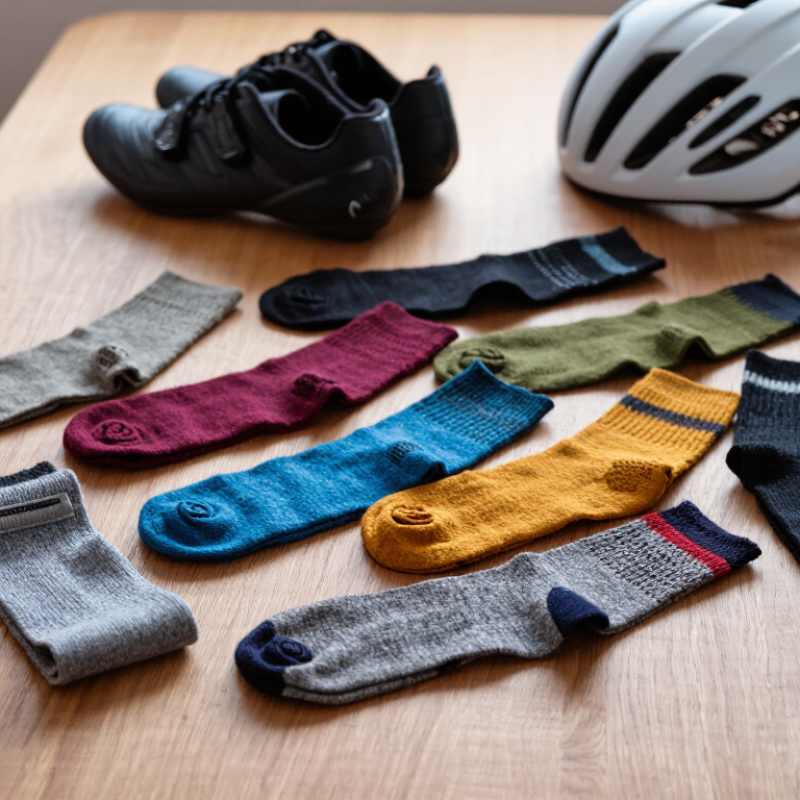
10 Best Wool Cycling Socks for All Season Riding?

What Makes Wool Cycling Socks Suitable for All-Season Riding

Wool cycling socks can work across seasons because wool helps manage moisture and slows heat loss when temperatures drop. The fibers can absorb some vapor without feeling immediately clammy, while their texture creates small pockets of insulating air. On a cool morning ride, that can mean warmer toes without bulky layers. When the sun comes out, a lightweight pair may still feel comfortable, especially with breathable shoes.

Fit matters as much as fiber. A sock that bunches under the arch can create pressure inside a snug cycling shoe, and thick fabric may leave too little room for toes. Choose a close-fitting pair with a smooth toe seam and a cuff that stays put. Wool blends often add nylon or elastane for durability and shape retention. Check the fabric weight against your shoe fit, not just the forecast.

Wool is not magic. In heavy rain or very hot weather, socks can become saturated or feel warmer than expected, and they may dry more slowly than thin synthetic options. I would not assume one pair suits every ride; that is an easy mistake to make. Test them on a familiar route, noting whether your feet stay comfortable during climbs and cool descents. Small changes in shoe ventilation can matter too.

Why Wool Cycling Socks Suit All-Season Riding

Typical moisture regain by fiber at 65% relative humidity

Wool’s higher moisture regain can help it absorb water vapor, contributing to comfort across changing conditions. This is a fiber property, not a measure of drying speed or sweat-wicking performance. Values are typical figures and vary with fiber type and test conditions.

How to Compare Wool Content, Cushioning, Fit, and Durability

Wool cycling socks differ more than their labels suggest. Check the wool percentage, but do not assume a higher number guarantees better riding comfort. The International Wool Textile Organisation’s wool-fibre guidance says wool can absorb up to 35% of its weight in moisture. That helps explain its appeal on damp, cool rides, though yarn construction and drying time still matter. A wool-nylon blend may resist wear better than a delicate, high-wool knit. Read the care label, too. Repeated hot washes can change fit. Feel the difference.

Cushioning should match your shoe and route. Thin fabric over the instep can reduce pressure in a snug road shoe, while a padded sole may feel better on rougher roads. But thick cushioning can make a close-fitting shoe feel cramped. Fit matters at the heel and toes: look for a secure heel pocket, a smooth toe seam, and no fabric bunching when you pedal. For durability, compare reinforced heel and toe zones, then check whether the maker reports abrasion testing. ISO 12947 describes the Martindale method for assessing textile abrasion resistance, but few sock listings share comparable test results. So inspect construction and reviews, and treat vague “long-lasting” claims cautiously. I would not choose by cushioning alone; that is an easy mistake.

10 Best Wool Cycling Socks for All Season Riding? - How to Compare Wool Content, Cushioning, Fit, and Durability

Sock Construction Typical Wool Content Cushioning Fit and Shoe Volume Best Riding Conditions Durability Considerations Best For
Ultralight merino blend About 40–60% Minimal; thin throughout Close fit; takes up little shoe space Warm weather and high-output rides Look for nylon-reinforced heels and toes; thin fabric can wear faster in high-friction areas Riders who prioritize ventilation and a precise shoe fit
Lightweight all-season crew About 45–65% Light; often targeted underfoot Close to regular fit; usually compatible with snug cycling shoes Changeable weather and everyday riding Blended synthetic fibers and reinforced zones can improve abrasion resistance One-sock versatility across mild conditions
Lightweight mesh-panel sock About 35–55% Minimal to light Close fit; open-knit panels reduce bulk Hot weather and long climbs Mesh improves airflow but may be less resistant to snagging than denser knit areas Riders who run hot or ride in warm climates
Medium-cushion all-rounder About 40–65% Moderate underfoot and at impact zones Regular fit; check shoe room around the forefoot Cool mornings, mixed seasons, and general use Denser cushioning can add wear resistance, especially when paired with reinforced heels and toes Riders seeking a balance of comfort and versatility
Full-cushion cold-weather sock About 50–75% Heavy; thicker sole and foot zones Bulkier; may require extra shoe volume Cold rides and low-intensity winter riding Thicker fabric can be robust, but a tight shoe fit may increase pressure and friction Riders with roomy winter footwear
Thin winter liner sock About 40–65% Minimal Very close fit; designed to layer beneath another sock or fit into tight shoes Cold conditions when shoe space is limited Thin areas need careful handling; avoid bunching, which can create friction Riders who need warmth without much added bulk
Long-cuff thermal sock About 45–70% Light to moderate Regular to close fit; taller cuff provides extra lower-leg coverage Cool and cold weather Check cuff elasticity and heel/toe reinforcement; wash according to the care label to help maintain shape Riders who prefer added coverage above the ankle
Light-cushion endurance sock About 40–65% Light, with padding focused on pressure areas Close to regular fit; seams should lie flat under cycling shoes Long rides in mild to cool conditions Reinforcement at the heel, toe, and ball of the foot is useful for repeated wear Riders looking for comfort without a heavily padded feel
High-wool-content cold-weather blend About 65–85% Light to moderate Regular fit; confirm shoe clearance because wool-rich knits may feel fuller Cold, dry rides and moderate activity Wool-rich fabric can be less abrasion-resistant than a reinforced blend; inspect high-wear zones Riders who value a wool-forward feel in cold conditions
Durability-focused wool blend About 30–55% Light to moderate Close to regular fit; often suited to frequent use Daily riding across a range of temperatures Higher proportions of nylon or similar reinforcement fibers at heels and toes can help resist wear Riders who prioritize frequent-use durability over maximum wool content

Comparison note: Wool percentages are typical illustrative ranges for sock constructions, not specifications for individual products. Actual fiber content, cushioning, fit, and care instructions vary by sock. For the best fit, check the manufacturer’s fiber label and sizing guide, and allow enough shoe room for thicker cushioning.

Ten Wool Cycling Socks for Different Riding Needs

Wool cycling socks suit more than cold-weather rides. The right pair depends on shoe fit, effort, and how quickly your feet run warm. A thin merino pair works for mild days and snug shoes. Midweight crew socks offer a useful balance for changeable weather. Thick wool socks add warmth on winter rides, but may crowd tight cycling shoes. Check the fit.

Different rides call for different details. Mesh-top wool socks help release heat during indoor training. Light cushioning underfoot can soften long road miles. Tall cuffs give extra coverage on gravel paths, while low-cut socks feel less warm on summer spins.

A quick-drying wool blend is handy for damp commutes, though wool is not waterproof. For sensitive skin, a smooth, fine-knit pair may feel better than a coarse one. Some riders also prefer gentle compression for a closer fit; it is personal, not essential.

That makes ten useful options: lightweight, midweight, winter-weight, mesh-top, cushioned, tall, low-cut, quick-drying, soft-knit, and gently compressive socks.

I once chose thick socks for a long ride and ended up with cramped toes. Not ideal. Wool can help manage moisture and temperature, but it cannot fix shoes that are too tight. Try a pair with your usual cycling shoes before relying on it for a full day out.

Choosing Sock Weight and Height for Each Season

Wool sock choice starts with temperature, but effort and shoe fit matter too. In mild weather, a lightweight knit can move moisture without adding much heat. A thin sock also leaves room inside close-fitting cycling shoes. Too much bulk can press toes against the shoe and reduce comfort. Keep it snug. For cold rides, a medium or heavier wool blend adds insulation, especially when wind chills damp feet. On frosty mornings, check that thicker socks do not make your shoes tight. Compression from a crowded toe box can leave feet colder, not warmer.

Height changes how much skin and lower leg are covered. Low-cut socks suit warm days and shoes with a comfortable collar, but they offer little protection from grit. An ankle-height pair can cover the shoe opening without feeling too warm on mixed-weather rides. Mid-calf socks give more coverage in cool air and can sit under tights without a bare strip showing. Check the cuff against your leg; a tight band may leave marks after hours in the saddle.

Season labels are only a starting point. A shaded, damp descent can make a summer sock feel inadequate, while a hard climb can make a winter-weight pair feel stuffy. Carrying a lighter spare for changeable conditions is useful, though not always practical. The best choice depends on your pace, shoe volume, and how quickly your feet run hot. A short test ride helps reveal the fit before a full day out.

How to Care for Wool Cycling Socks and Extend Their Life

After a wet ride, air wool cycling socks before washing them. Sweat and road grit can settle around the toes and heel, but a short airing often removes mild odours. Wash when they are visibly dirty or still smell stale. I sometimes wash mine too soon; that is convenient, not necessarily kind to the fibres.

Follow the care label, since wool blends and sock construction differ. Use a gentle wool cycle or hand-wash in cool water with wool-safe detergent. Avoid bleach, fabric softener, and hard twisting. Energy Saving Trust guidance estimates that washing at 30°C can use around 40% less energy than washing at 40°C. Cooler water also reduces needless heat exposure, though it will not remove every stain. Rinse carefully, press water out in a towel, then reshape the socks and dry them flat, away from direct heat.

Small habits matter. Turn socks inside out before washing, and keep hooks or rough towel loops away from the knit. Check heels and cuffs for thinning while they dry. Store them fully dry in a drawer; damp storage invites musty smells. If a sock pills, trim loose pills gently rather than pulling them. No care routine prevents wear forever, and my own pairs still thin at the heel first.

FAQS

Why can wool cycling socks work in different seasons?

Wool absorbs some moisture vapor and traps small pockets of insulating air. Lightweight pairs can suit mild rides, while thicker ones add warmth.

How should cycling socks fit inside shoes?

Choose a close fit, smooth toe seam, and cuff that stays in place. Thick fabric can crowd your toes in snug shoes.

Are wool cycling socks suitable for heavy rain or very hot weather?

Not always. They can become saturated in heavy rain or feel too warm in heat, and may dry more slowly than thin synthetic socks.

Which sock weight suits changeable weather?

Midweight crew socks offer a practical balance. For a cool morning followed by sunshine, check that your shoes still feel breathable.

What details can make wool socks more comfortable?

Mesh tops release heat, light cushioning softens long rides, and tall cuffs add coverage. Fine-knit fabric may feel gentler on sensitive skin.

Can wool socks fix cycling shoes that feel too tight?

No. Wool cannot create extra toe room. I once wore thick socks on a long ride and cramped my toes.

How should wool cycling socks be washed and dried?

Follow the care label. Use cool water and wool-safe detergent, avoid twisting, then reshape the socks and dry them flat away from direct heat.

How can I help wool socks last longer?

Air them after wet rides, turn them inside out for washing, and store them fully dry. Check the heels for thinning; mine wear there first.

Conclusion

Wool Cycling Socks can make year-round rides more comfortable by balancing warmth, moisture management, and breathability. The best pair depends on more than wool content: consider how the blend feels against your skin, how much cushioning suits your shoes and riding style, and whether the fit stays secure without bunching or pressure points. Durable construction, reinforced areas, and well-finished seams can also help socks hold their shape through regular use.

Different rides and seasons call for different sock weights and heights. Lightweight options can suit warm conditions, while thicker pairs offer added insulation when temperatures drop; taller cuffs may provide extra coverage in cooler weather. A comparison of ten options can help match these features to varied riding needs. To extend their life, follow the care instructions, wash gently, avoid excessive heat, and let the socks dry thoroughly before storing them.


Madeline

Madeline

Madeline is a dedicated marketing professional with a wealth of expertise in our company's core offerings. With a keen understanding of the industry, she brings a unique perspective to her role, consistently delivering high-quality content that highlights the superior aspects of our products. As......