Choosing the right trainer running socks is crucial for comfort during your runs. With numerous options available, it can be overwhelming to find the best fit for your needs. Trainer running socks play a vital role in enhancing your overall running experience. They help prevent blisters, wick away moisture, and provide essential arch support.
Not all socks are created equal. Poorly designed socks can lead to discomfort and dissatisfaction. Factors like material, cushioning, and fit are essential to consider. Investing time in selecting the appropriate pair can significantly improve your performance. Each runner has unique preferences, and finding the perfect pair might take some trial and error.
Consider the conditions where you typically run. Do you run in hot weather or cold? The right trainer running socks should suit your environment and running style. Feedback from experienced runners can guide you in the right direction. Selecting socks designed with the runner's needs in mind ensures you enjoy your workouts without unnecessary distractions.
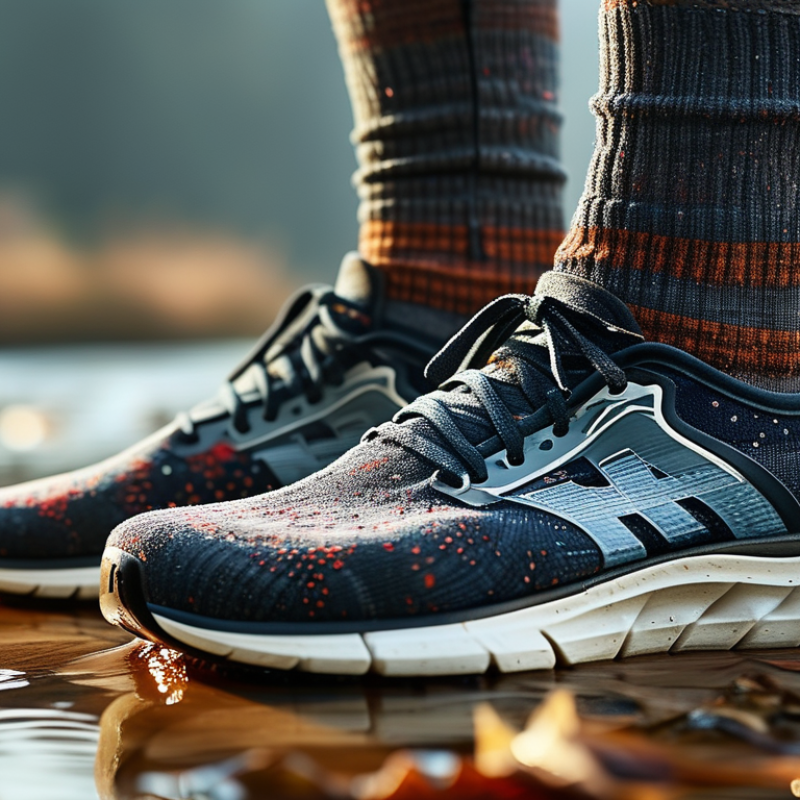
Understanding the Importance of Comfort in Running Socks
When choosing running socks, comfort is paramount. It’s easy to overlook socks in favor of shoes. However, the right pair can make a world of difference. Poorly fitting socks can cause blisters and discomfort. This can ruin your running experience. Blisters tend to form in humid climates or on long runs.
Consider fabric when selecting socks. Materials like merino wool and synthetic blends provide breathability. They wick moisture away, reducing friction. Poor choice of materials can lead to sweaty feet. That can lead to a slippery feeling inside your shoes. It’s essential to find a snug fit without being tight. Socks should stay in place but not constrict.
Finding the perfect socks involves trial and error. What works for one runner may not work for another. Take your time to experiment with different options. Pay attention during your runs. Certain brands or styles may cause discomfort on longer distances. Take notes on what feels right. Listen to your body’s feedback as you choose. Comfort is personal, and it requires thoughtful consideration.
How to Choose the Best Trainer Running Socks for Comfort?
This chart illustrates the importance of various features in choosing comfortable running socks. Key attributes include cushioning, moisture-wicking ability, arch support, breathability, and fit, with moisture-wicking being the most crucial aspect at 90% importance.
Key Features to Look for in Running Socks
When selecting running socks, comfort is key. Look for materials that wick moisture away. This prevents blisters and keeps your feet dry. Breathable fabrics enhance airflow. Choose socks with a snug fit to minimize movement. This reduces friction during your run.
Padding in the right areas can add comfort. Seek out cushioned zones in the heel and toe. This can absorb impact and add support. Seamless designs often prevent irritation. It's essential to avoid seams that rub against the skin.
Consider the height of the socks too. Ankle-length or crew styles can both offer support. Some runners prefer taller socks for added coverage. Color and style matter less than function. Remember to try on different pairs. The fit should feel just right; not too tight or loose. Always be willing to re-evaluate your choices as your running habits change.
How to Choose the Best Trainer Running Socks for Comfort? - Key Features to Look for in Running Socks
| Feature |
Description |
Importance |
| Material |
Breathable and moisture-wicking fabrics like merino wool, nylon, or polyester. |
High - Keeps feet dry and comfortable. |
| Cushioning |
Padding in crucial areas (heel and toe) for shock absorption. |
High - Reduces impact and increases comfort. |
| Fit |
Snug fit without being too tight, may include arch support. |
Medium - Prevents blisters and irritation. |
| Height |
Various heights: no-show, ankle, crew, and knee-high options. |
Medium - Affects coverage and protection from debris. |
| Seam Construction |
Flat or seamless toe seams to prevent irritation and blisters. |
High - Enhances comfort during long runs. |
| Odor Control |
Incorporation of anti-odor technologies or materials. |
Medium - Keeps socks fresher for longer. |
Different Materials Used in Running Socks and Their Benefits
When selecting running socks, material is a critical factor. Different fabrics offer unique advantages that can enhance your running experience. For instance, polyester is a popular choice. It wicks moisture away effectively, keeping your feet dry. This is important to prevent blisters during long runs. However, some find polyester lacks breathability in hot weather.
Another common material is merino wool. It’s soft and warm, providing comfort in cold conditions. Merino wool also has natural antibacterial properties, which help reduce odor. However, its higher price might not fit everyone’s budget. You might need to consider if the benefits outweigh the cost.
Lastly, consider nylon. It adds strength and durability to socks, resisting wear and tear. While nylon blends can improve flexibility, they may not be as moisture-managing as polyester. It’s about finding the right balance for your needs. Reflecting on these choices can guide you to the best sock for your runs.
Sizing and Fit: How to Ensure Your Running Socks Are Comfortable
Finding the right size and fit for your running socks is crucial for comfort. A snug fit without being too tight is essential. If your socks are too loose, they may bunch up and cause blisters. A tight fit can restrict blood flow. This balance is key to enjoying your runs.
To determine your size, measure your foot while standing. Different brands may have different size charts. Don’t hesitate to consult these charts. Think about the type of socks you prefer, too. Crew socks and no-show socks fit differently. Consider both length and width. They should hug your arch but not pinch your toes.
Trying on socks before buying is often beneficial. Walk around in the store if possible, or consider online retailers with good return policies. Pay attention to the material. Breathable fabrics can enhance comfort. Remember, what feels good in the store may not work for longer runs.
Reflect on your experiences. Are there issues you've had in the past? Prioritize comfort over style. Your feet will thank you in the long run.
Maintenance Tips to Prolong the Life of Your Running Socks
Proper maintenance of running socks can greatly extend their life. According to a recent report by the American Orthopaedic Foot & Ankle Society, quality socks can retain their effectiveness up to 30% longer with proper care. Additionally, regularly washing your socks helps remove sweat and bacteria that can break down fibers. Aim to wash your running socks in cold water with mild detergent to preserve elasticity.
Many runners overlook drying methods, but this is crucial. Air drying is preferable over using a dryer, which can introduce heat damage. Just laying socks flat to dry can maintain their shape and cushioning. A survey by Running USA found that 40% of runners report sock wear and tear due to improper drying techniques.
Rotating between multiple pairs can also help. By allowing each pair to rest, you minimize wear. Overuse can lead to holes and compromised support. Research indicates that changing socks every 300 miles can significantly affect comfort and performance. Taking these steps may seem minor, but they can impact your overall running experience.
FAQS
: Comfort is key. Look for moisture-wicking materials to prevent blisters.
Breathable fabrics enhance airflow, keeping your feet dry during runs.
They should be snug but not too tight. A loose fit can cause blisters.
Look for padded areas in the heel and toe for added support and impact absorption.
Both styles offer support. Choose based on personal preference for coverage.
Always be willing to re-evaluate your choices as your running habits change.
Measure your foot while standing and consult size charts of different brands.
Yes, walking around in the store helps ensure a good fit and comfort level.
Look for breathable fabrics that keep your feet comfy during longer runs.
Consider past experiences and prioritize comfort over style for your feet's health.
Conclusion
Choosing the best trainer running socks is essential for maintaining comfort during your runs. The importance of comfort cannot be overstated, as it significantly affects your overall performance and enjoyment. Key features to consider include cushioning, moisture-wicking properties, and arch support, which collectively help to prevent blisters and discomfort. Different materials, such as synthetic blends, wool, and cotton, offer unique benefits, with some providing better breathability while others excel in moisture management.
Sizing and fit play a crucial role in ensuring your trainer running socks feel just right. It's important to measure your feet accurately and choose socks that fit snugly without being too tight. Additionally, proper maintenance can prolong the lifespan of your running socks, ensuring they remain effective and comfortable. By considering these factors, you can select the ideal trainer running socks tailored to your needs, enhancing your running experience.

 MIFO
MIFO