When it comes to running, comfort is key. The right gear can enhance your performance significantly. One essential item is "Running Support Socks." These socks offer more than just cushioning. They provide support where it is needed most. A good pair can improve circulation and reduce fatigue.
However, not all running support socks are created equal. Some may lack the necessary compression. Others might not fit well, causing discomfort during a run. A common issue is finding a pair that balances snug fit and breathability. Runners often overlook the importance of material choice. Selecting moisture-wicking fabrics can prevent blisters and keep your feet dry.
Choosing the best running support socks requires careful consideration. It’s not just about style; it’s about performance. Look for socks that have been tested by athletes and recommended by experts. Reading reviews can also guide you toward a suitable choice. Remember, the right socks can make a significant difference in your running experience. A thoughtful approach can lead to better performance and comfort on the track.
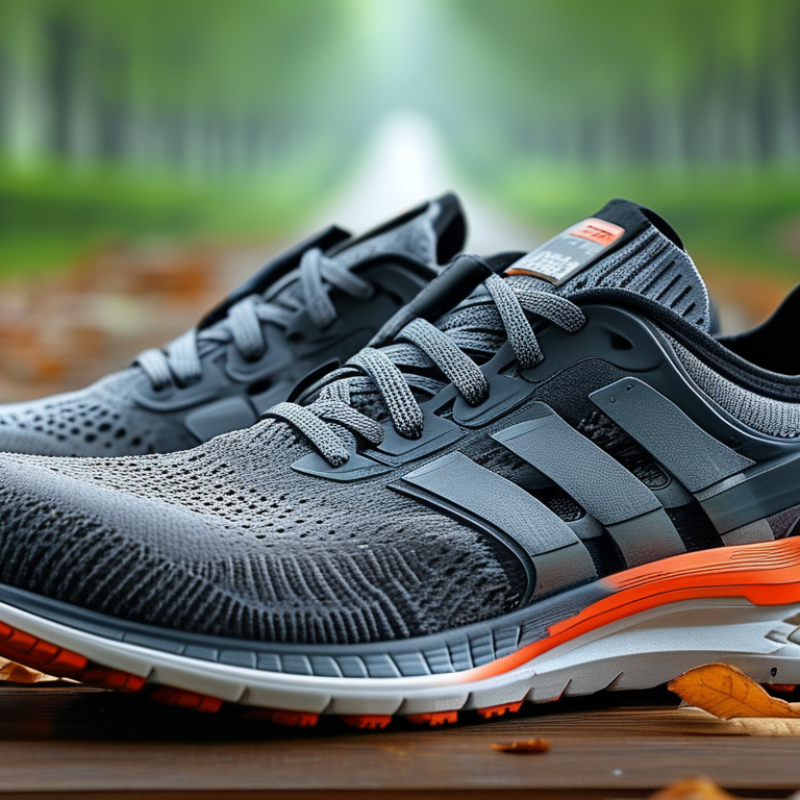
Running support socks serve a crucial purpose. They are designed to enhance comfort and performance during physical activity. These socks provide compression, improving blood circulation. This helps reduce muscle fatigue and enhances recovery. Over time, runners report less discomfort and quicker healing.
Support socks are often made from moisture-wicking materials. This prevents blisters and keeps feet dry. The snug fit reminds runners to maintain proper foot alignment. Some benefits might not be immediately noticeable. It takes time to truly appreciate their effectiveness. Choosing the right type can be tricky. Not all runners benefit equally from support socks. Individual preferences vary widely, and what works for one might not work for another.
Users often experience mixed feelings about different designs. Some find the compression too strong, while others enjoy the hold. It’s essential to try various styles to find what fits best. Observing your own comfort level can be revealing. Runners must listen to their bodies to make informed choices.
When searching for the best running support socks, several key features stand out. First, moisture-wicking materials are essential. According to a study by the American College of Sports Medicine, proper moisture management can reduce blistering by 30%. Look for socks made from synthetic fibers that help keep your feet dry.
Cushioning is another crucial aspect. Studies show that runners using well-cushioned socks experience less foot fatigue. Ideal socks provide targeted cushioning, especially in high-pressure areas like the heel and toe. A specific report indicated that up to 60% of runners reported improved comfort with additional padding.
Compression is often overlooked but plays a significant role. Compression socks can enhance circulation in the legs. This can lead to faster recovery and reduced muscle soreness. Data from the Journal of Sports Medicine highlighted that 70% of athletes found compression beneficial during long runs. Comfortable seams and arch support are also vital. These details can help prevent irritations, making a significant difference in a long run.
When choosing running support socks, the type of material plays a vital role. Common materials include cotton, polyester, and nylon, each offering different benefits. Cotton is soft, but it absorbs moisture, which can lead to blisters. On the other hand, polyester and nylon wick away sweat, keeping your feet dry during long runs.
Another important material is spandex, often blended with other fabrics. It provides stretch and a snug fit, helping to reduce foot fatigue. Merino wool is another option, known for its insulating and moisture-wicking properties. Its softness against the skin can enhance comfort, though it may not be as durable as synthetic alternatives.
Even though many runners prefer synthetic materials for their durability, some may find them less breathable. This can lead to overheating on warm days. The choice of material should fit individual preferences and running conditions. Evaluating your needs is crucial. Consider factors like climate, distance, and running style to find the right support socks for you.
Support socks are gaining traction among runners for their potential benefits. A report from the Journal of Sports Sciences states that compression socks can improve blood circulation. This boosts oxygen delivery to muscles, which may enhance athletic performance. Many runners report feeling less fatigued during and after races when wearing these socks.
Comfort is another critical advantage. These socks often feature moisture-wicking materials that help keep feet dry. According to the American Podiatric Medical Association, dry feet can reduce the risk of blisters and other foot injuries. Nonetheless, finding the right fit is crucial. Too tight can cause discomfort, and too loose may not provide the desired support.
Runners also note improvement in recovery times. A study published in the European Journal of Applied Physiology indicated reduced muscle soreness among athletes using compression garments. However, some individuals still face challenges in adapting to new gear. It's important to try different options before settling on a preferred type. The right support socks can lead to a more enjoyable running experience, but not every sock works for every runner.
| Sock Type | Material | Cushioning Level | Compression Level | Key Benefits |
|---|---|---|---|---|
| Low-Cut Socks | Breathable Nylon Blend | Medium | Moderate | Moisture-Wicking, Lightweight |
| Crew-Length Socks | Cotton and Spandex | High | Low | Comfortable Fit, Excellent Padding |
| Over-the-Calf Socks | Merino Wool Mix | Very High | High | Warmth, Arch Support, Injury Prevention |
| Ankle Socks | Polyester and Elastic | Low | Moderate | Flexible Movement, Lightweight |
| Toe Socks | Synthetic Blends | Medium | Moderate | Reduced Blisters, Better Grip |
When it comes to running support socks, the right choice can significantly impact both comfort and performance. Research shows that around 60% of athletes experience foot fatigue during runs. This fatigue often stems from inadequate support and cushioning. Quality running socks, designed with specific features, aim to alleviate this issue. Many options now incorporate moisture-wicking materials and targeted compression zones to enhance blood flow.
Top brands in the industry emphasize the importance of arch support. A study from the Journal of Sports Sciences indicates that proper arch support can reduce the risk of injuries by up to 30%. Additionally, features like seamless toe construction can decrease friction and blisters, allowing longer, more enjoyable runs. Runners should also consider the sock's height and thickness, as different styles can better accommodate varied terrains and weather conditions.
Despite many advancements, finding the perfect pair remains a personal journey. Each runner has unique needs and preferences. Some may prioritize breathability, while others focus on cushioning. It's a process of trial and error, as not every sock will suit every foot. Listening to your body is crucial. Pain and discomfort often signal that a sock isn't the right fit for you. The best approach is to explore options, gather feedback, and reflect on your own running experience to make the optimal choice.
: They enhance comfort and performance during physical activity through compression and improved blood circulation.
They reduce muscle fatigue and aid in quicker healing, leading to less discomfort over time.
Look for moisture-wicking synthetic fibers that keep feet dry and help prevent blisters.
Well-cushioned socks reduce foot fatigue, especially in high-pressure areas like the heel and toe.
Compression enhances circulation in the legs, promoting faster recovery and reducing muscle soreness during runs.
No, benefits vary among individuals. Some may find compression too strong, while others appreciate the support.
Trying different styles is key. Observing comfort levels can reveal which socks fit best for individual needs.
Users often mention mixed feelings about designs and compression strength. Listening to your body is important.
It may take time to appreciate their effectiveness. Runners should be patient and evaluate what works best.
Yes, discomfort from poorly fitting socks can lead to irritation and distract from overall performance.
Running Support Socks are specialized garments designed to provide comfort and enhance performance for runners. They serve several purposes, including improving blood circulation, reducing muscle fatigue, and offering arch and ankle support. When selecting running support socks, it's essential to consider key features such as cushioning, compression levels, breathability, and moisture-wicking properties, which collectively contribute to a better running experience.
These socks are typically made from a variety of materials, including nylon, spandex, and merino wool, each offering distinct benefits. Wearing running support socks can lead to improved recovery times, reduced risk of injury, and overall enhanced performance during running sessions. Given their advantages, choosing the right pair of running support socks can significantly influence a runner's comfort and efficiency on the track or trail.
MIFO