Why Choose Long Sport Socks for Global Sourcing?

Time:2026-09-10 Author:Isabella
0%

Why Choose Long Sport Socks for Global Sourcing?

Long Sport Socks are becoming a practical sourcing choice for sportswear brands, distributors, and private-label retailers. They cover more of the calf, support stable wear, and protect skin from shoes, straps, and outdoor friction. In a real training session, this coverage matters. Sweat gathers around the lower leg, while repeated movement tests every seam, cuff, and elastic fiber.

Textile sustainability researcher Dr. Sandra Roos has said, “The most sustainable garment is the one that is used for a long time.” Her point fits this category closely. Durable yarns, tested stretch recovery, and reliable colorfastness can reduce replacement pressure across international markets. However, longer socks are not automatically better. That assumption can fail. Excessive compression, poor ventilation, or a loose cuff may create discomfort after several hours of use.

Global sourcing teams should examine material composition, knitting density, size grading, packaging, and factory quality controls. They should request wash testing, abrasion testing, and fit samples before placing large orders. A sock that feels excellent in a showroom may twist after ten washes. Small details matter. Heel placement, toe smoothness, and moisture management can influence returns and customer trust.

Long Sport Socks also support clear product positioning across football, cycling, hiking, running, and work-related activities. Buyers should compare factory experience, production capacity, traceability, and responsible labor practices. Price remains important, but it should not become the only decision. A reliable supplier may cost slightly more initially, yet prevent inconsistent batches and delayed deliveries. The strongest sourcing decision balances comfort, performance, durability, compliance, and honest product claims.
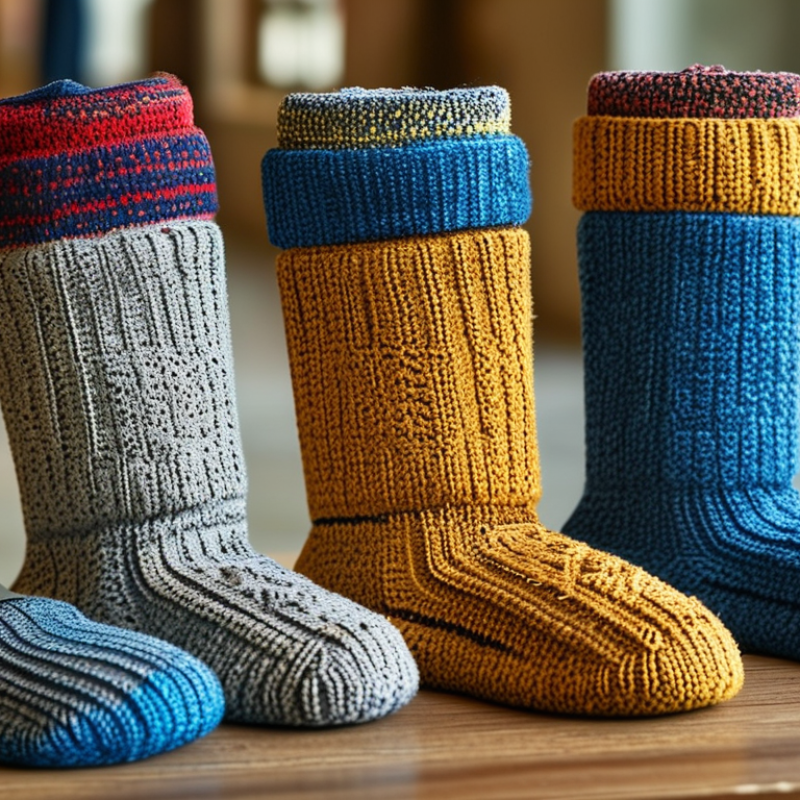
Why Choose Long Sport Socks for Global Sourcing?

Definition and Role of Long Sport Socks in Athletic Wear

Why Choose Long Sport Socks for Global Sourcing?

Long sport socks usually extend from the ankle to the calf, or higher. They are designed for running, cycling, training, and field sports. Their role is practical, not decorative. A close-fitting cuff helps keep the sock stable during repeated movement. Cushioned zones can reduce friction around the heel and toe. Mesh panels may improve airflow when feet become hot.

Material selection affects performance and sourcing decisions. Textile Exchange’s Materials Market Report 2024 states that global fiber production reached about 124 million tonnes in 2023. Polyester represented approximately 57% of total output. This explains its common use in sport socks, especially for quick drying and durability. Nylon can improve abrasion resistance, while elastane supports stretch and recovery. Still, longer does not always mean better. Excessive compression may feel uncomfortable for some users, especially in warm climates.

For global sourcing, buyers should inspect more than fiber percentages. Check cuff pressure, seam placement, size grading, colorfastness, and shrinkage after washing. The ISO 6330 textile testing method provides standardized domestic laundering procedures for evaluating dimensional change. In practical wear trials, socks should be tested with real shoes and repeated movement. A sock that feels soft in a sample room may slip after two hours outdoors. That weakness matters. Suppliers should provide test records, consistent measurements, and clear care instructions. These details make long sport socks more reliable across different markets and athletic conditions.

Key Performance Benefits for Different Sports and Activities

Long sport socks serve different needs across running, football, cycling, hiking, and gym training. Their extended coverage helps reduce skin exposure to dust, grass, and shoe friction. In football, a firm calf fit can keep shin guards stable during repeated movement. For runners, smooth seams and moisture-managing yarns may reduce blister risk, although sock design cannot prevent every injury. Small details matter.

The SFIA 2024 Topline Participation Report recorded 242.1 million U.S. participants in at least one sport or fitness activity during 2023. That variety supports a more careful sourcing strategy. Lightweight ventilation suits road running, while cushioned soles and reinforced heels suit hiking. Compression zones may support perceived comfort during endurance activity, but research remains mixed. Avoid exaggerated medical claims. Fit, fiber blend, and wash durability deserve testing.

Material decisions also affect global procurement. Textile Exchange’s Materials Market Report 2024 reported 124 million tonnes of global fiber production in 2023, with polyester representing about 57 percent. Recycled polyester can reduce dependence on virgin feedstock, but suppliers should verify recycled content and processing claims. In factory evaluations, check stretch recovery after repeated washing, colorfastness, seam strength, and shrinkage. A sock that feels excellent on day one may disappoint later. This is where sample testing, wearer trials, and independent laboratory results build reliable buying decisions.

Long sport socks are commonly selected for their ability to support moisture management, reduce friction, provide light compression, protect the lower leg, and improve thermal comfort. The chart shows a relative priority index from 0 to 100 based on the typical demands of each activity; higher values indicate a more important performance consideration for global sourcing.

Material, Design, and Quality Factors to Evaluate

Why Choose Long Sport Socks for Global Sourcing?

Material selection affects comfort, durability, and production consistency. Nylon and polyester dry quickly, while cotton offers a softer hand feel. Elastane helps the sock retain its shape after repeated movement. For colder activities, wool blends can improve warmth, but they may require stricter shrinkage control. In my sourcing evaluations, fiber percentages matter less than actual wear performance. A soft sample can still lose shape after ten washes.

Design should match the sport and the buyer’s market. A reinforced heel and toe reduce damage in high-friction areas. Mesh zones can improve airflow around the ankle and lower leg. Elastic arch support should feel secure, not restrictive. A smooth toe seam prevents pressure during long training sessions. Check the cuff carefully. It should stay in place without leaving deep marks. Size grading also deserves attention, especially across different regional measurements.

Tips: Request several sample sizes and test them with real shoes. Measure shrinkage after washing. Inspect colorfastness, pilling, seam strength, and elastic recovery. Ask suppliers for material test reports and batch inspection records. A polished sample may hide factory variation, so review production pieces too. Do not rely on appearance alone. Keep a written quality checklist, and record every change before approval.

Global Sourcing Standards, Supplier Selection, and Production

Long sport socks require more than attractive colors and a low quotation. Global sourcing starts with clear standards for fiber content, stretch recovery, abrasion resistance, and size grading. A sourcing team should request a technical specification before comparing suppliers. It should define yarn composition, sock length, cushioning zones, toe seams, labeling, packaging, and acceptable tolerances. Small details matter. A few millimeters can change fit after washing. Experience on the production floor shows that samples often look better than bulk goods. That gap needs control.

Supplier selection should combine factory audits, sample reviews, and documented quality records. Ask how the factory tests washing shrinkage, colorfastness, pilling, and elastic recovery. Request recent test reports, but verify key results through independent laboratories when risk or order value justifies it. A reliable supplier explains limitations instead of promising perfection. Check machine capacity, skilled operators, material traceability, and corrective-action procedures. Visit production if possible. Photos are not enough. I have found that communication speed can reveal production discipline, although it is not proof.

During production, approve a sealed sample and use a written inspection plan. Inspect yarn, knitting density, dimensions, and packaging. For long socks, inspect calf opening pressure and leg alignment. Record defects by type, not vague terms like “poor quality.” Pre-shipment inspection cannot repair every process weakness. This is where sourcing teams sometimes overestimate control. A better approach combines in-line checks with final inspection and feedback after delivery. The method may feel slower, yet it reduces avoidable returns and inconsistent fit across markets.

Cost, Logistics, and Market Considerations for Buyers

Long sport socks can look inexpensive, but global sourcing decisions depend on landed cost. Yarn quality, terry cushioning, arch support, and reinforced heels change the factory quotation. In my first costing review, I focused too heavily on the unit price. That was a mistake. Sampling, testing, packaging, inspection, duties, and payment fees also affect the final margin. Textile Exchange’s Materials Market Report 2024 reported 124 million tonnes of global fiber production in 2023. Fiber volatility therefore deserves attention during annual negotiations.

Logistics can quietly erase a small price advantage. Long socks usually ship efficiently, but too many color-size combinations create slow-moving cartons. Buyers should calculate carton volume, minimum order quantities, and replenishment frequency together. The World Bank’s Logistics Performance Index 2023 shows major differences in customs efficiency and shipment reliability across markets. A cheaper supplier may still create higher inventory costs when transit is unpredictable. Air freight should remain an exception, not a planning method.

Market fit matters as much as factory capability. The SFIA 2024 Topline Participation Report recorded 242.5 million Americans participating in sports and fitness activities in 2023. This signals broad demand, but not uniform demand for one sock length or fabric blend. Running buyers may value moisture control, while football buyers may prioritize coverage and grip compatibility. Test small regional assortments first. That approach costs more initially. It can prevent a large, poorly matched order. Data helps, but buyer feedback often exposes assumptions that spreadsheets miss.

FAQS

: Which materials work well for long sport socks?

: Nylon and polyester dry quickly. Cotton feels softer. Elastane helps the sock keep its shape. Wool blends add warmth but need shrinkage control.

What design details should buyers inspect?

Check reinforced heels and toes for high-friction areas. Mesh zones can improve airflow. The toe seam should feel smooth. The cuff should stay up without deep marks.

How can buyers test comfort before placing an order?

Request several sample sizes. Test them with real sports shoes. Check ankle pressure, arch support, toe comfort, and cuff stability. Small details matter.

What quality tests are useful for long sport socks?

Measure shrinkage after washing. Inspect colorfastness, pilling, seam strength, and elastic recovery. Test samples after ten washes. A soft sample may still lose shape.

Why should buyers inspect production pieces?

A polished sample can hide factory variation. Review production pieces before approval. Ask for material reports and batch inspection records. Appearance alone is not enough.

What costs affect the final sourcing margin?

Include sampling, testing, packaging, inspection, duties, and payment fees. Yarn quality and cushioning also change quotations. I once focused too much on unit price. That was a mistake.

How can logistics affect a sock order?

Calculate carton volume, minimum order quantities, and replenishment frequency together. Too many color-size combinations may create slow-moving cartons. Unpredictable transit can increase inventory costs.

How should buyers test market fit?

Start with small regional assortments. Running customers may prefer moisture control. Football customers may value coverage and grip compatibility. Data helps, but feedback can challenge assumptions.

Conclusion

Long Sport Socks play an important role in modern athletic wear by providing coverage, support, comfort, and protection during training and competition. Their extended length can help reduce friction, protect the lower leg from minor abrasions, and improve warmth in cooler conditions. Depending on the activity, features such as cushioning, arch support, compression, moisture management, breathability, and secure fit can enhance performance in running, cycling, team sports, hiking, and gym workouts.

For global sourcing, buyers should evaluate fiber composition, fabric durability, stretch recovery, seam construction, sizing consistency, colorfastness, and production quality. Reliable suppliers should demonstrate stable manufacturing capacity, clear quality-control procedures, responsible material management, and consistent compliance with applicable market requirements. Cost should be assessed together with minimum order quantities, packaging, shipping efficiency, lead times, tariffs, and inventory risks. Understanding regional demand, seasonal use, preferred designs, and target price levels enables buyers to select practical products and build a dependable, competitive sourcing strategy.


Isabella

Isabella

Isabella is a dedicated marketing professional with a sharp focus on driving brand growth and engagement through strategic content creation. With an extensive background in digital marketing, she combines her passion for storytelling with her keen understanding of industry trends to deliver......